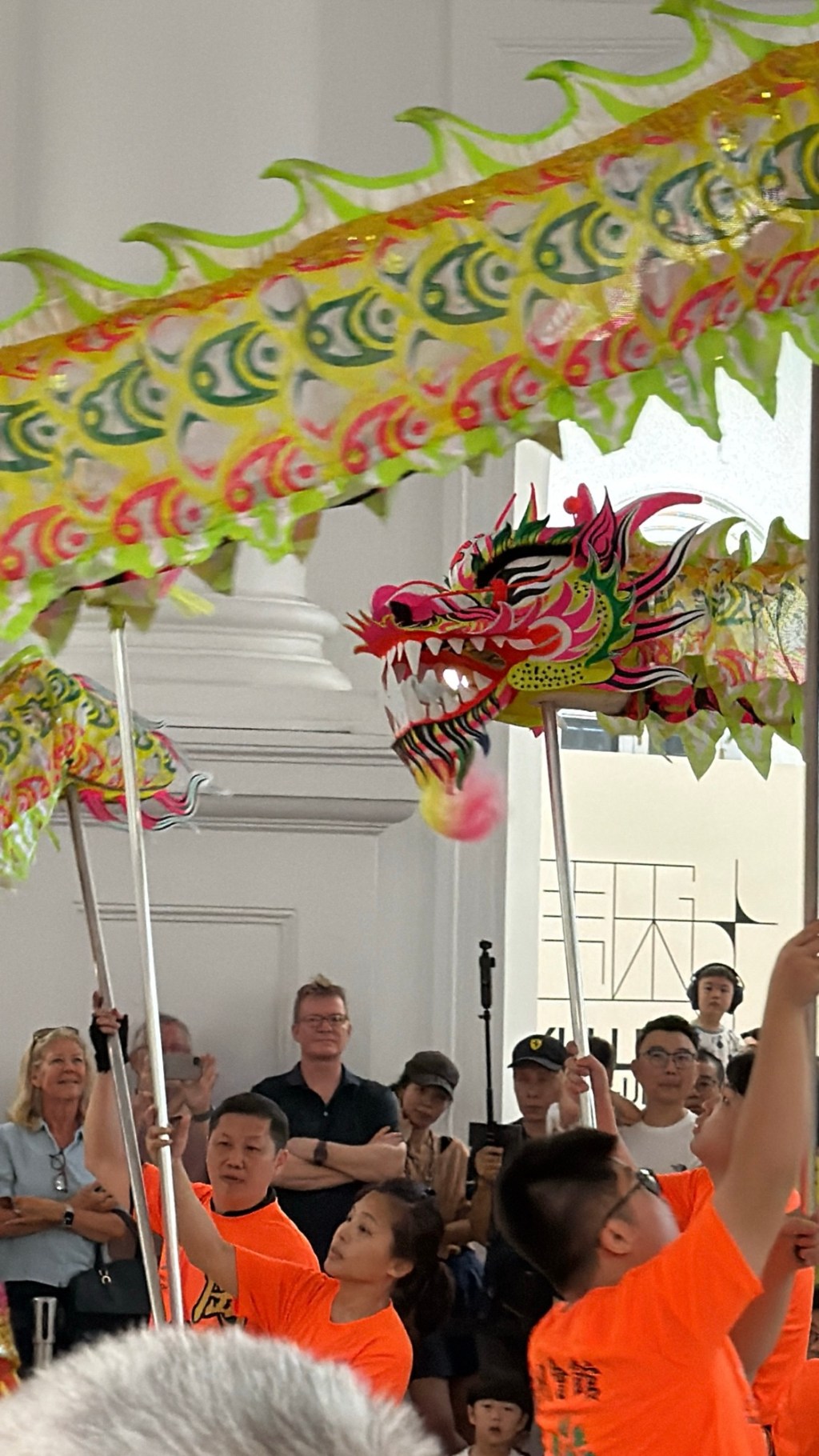
Seeing Singapore from the flat bed of a lorry
It’s been a struggle lately. Somehow I am going through a funny slump in my creativity or even the notion of just wanting to write. It used to feel so good, just to let the letters flow, to watch the pages fill up with the endless flow of thoughts bursting out of my head. What changed? I don’t know. Life goes on, goes into overdrive. Many things to keep in mind. Work, hobbies (too many of them), health, aging, trying to be a decent partner. Still, creating feels good, and I told myself that it is time to sit down and reach back to a special opportunity I was granted a few months back.
Singapore has been home for almost 12 years now. That’s 11 Lunar New Years, almost a full cycle. From the Goat to my year this year: the Horse. As the years went on and I became more and more comfortable here I also expanded my interest in local culture and customs. Chinese opera, Thaipusam, Vegetarian Festival, River Hongbao celebrations. Many fun experiences and my goal has always been to immerse myself in everything in some ways. Watch, participate, follow, photograph, even just do cleanup work afterwards. Every possible way I can connect to these events provides memories and makes me feel like this city is truly my home.
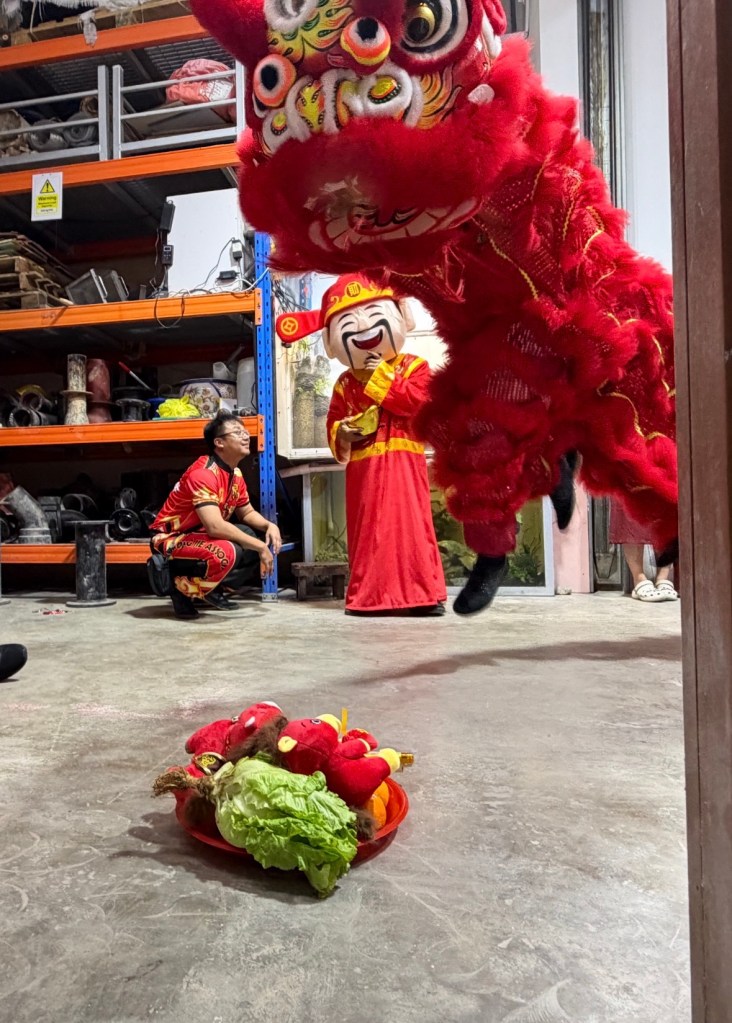
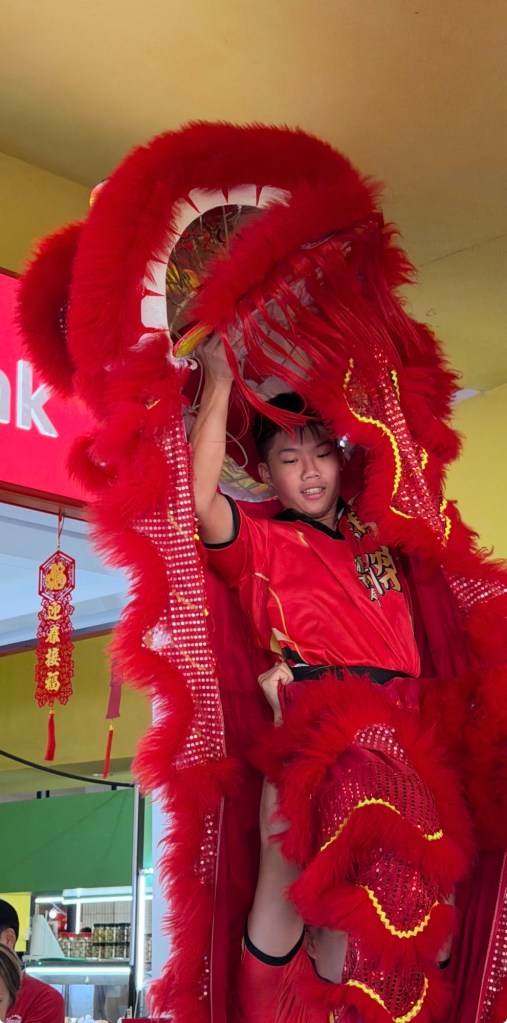
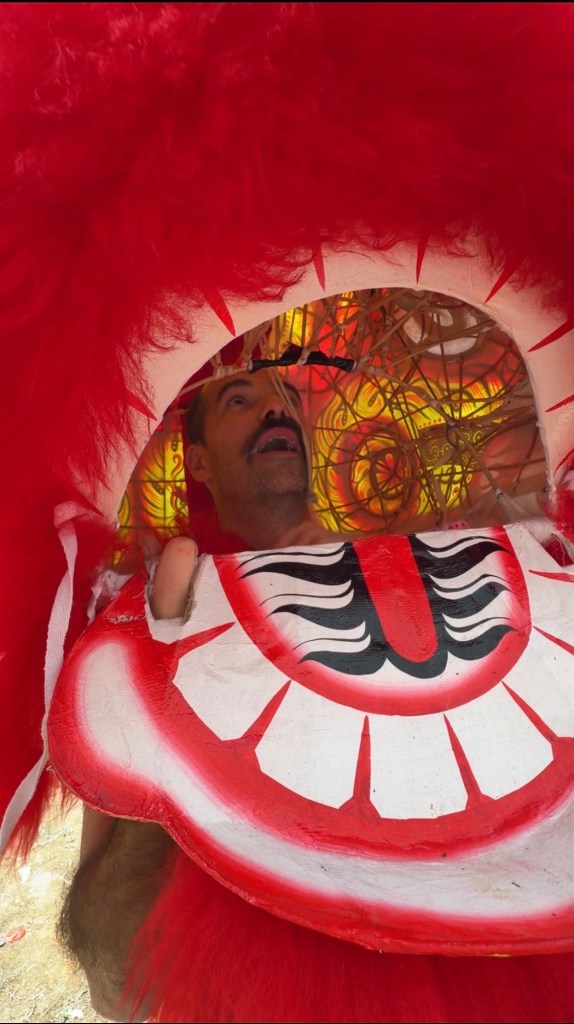
There was one event each year during Lunar New Year, in our office and around town that kept my curiosity up. What are those lorrys full of drums, flags and people dressed in colorful attire doing all around town? Where are all the loud drumming and cracking fireworks sounds coming from? How does the inside of a lion work? How can a lion dance on top of poles? How can a lion see? What is the meaning of all this? Yes, I am talking about the ritual of lion dancing. A daily staple around offices, stores, homes and public places during each of the 15 days of Chinese New Year. Also an integral part of commemorating the opening of a new business in the city.
But what exactly is lion dancing about? I turned to AI to give me a concise answer:
“Lion dancing is a centuries-old Asian performance art that serves as a powerful symbol of protection, prosperity, and cultural identity. At its heart, the dance is a spiritual ritual designed to ward off evil spirits and summon good fortune for the community. The rhythmic thumping of drums and clashing of cymbals are not just musical accompaniment; they are intended to frighten away negative energy through loud, vibrant sound. Central to the performance is the “plucking of the greens,” where the lion consumes lettuce to symbolically spread wealth and luck. This act relies on a linguistic pun, as the Chinese word for greens sounds nearly identical to the word for fortune. The lion’s appearance is deeply coded, with specific colors representing historical figures of the Three Kingdoms like Liu Bei and Guan Yu. These colors signify virtues such as benevolence, loyalty, and bravery, which the performers strive to embody. Because the movements are physically demanding, the tradition is inextricably linked to martial arts training and discipline. Performers must master complex footwork and acrobatic leaps to mimic the animal’s lifelike curiosity and power. The origins of the dance are often tied to the legend of the Nian, a beast that was defeated by a villagers’ colorful lion costume. Today, the dance is a staple of grand openings and weddings, ensuring a lucky start for any new endeavor. It remains a bridge between ancient mythology and modern celebration, preserving heritage across generations. Ultimately, the lion dance is a vibrant testament to the human desire for a prosperous and safe future.”
Yes, I generally knew all this (although would not have been able to summarize so nicely). But how does it work? Who are the dancers? What’s inside a lion? What are they doing when they don’t dance? How do they know the moves? What do they say? “Huat ah”? Why? Why? Why? So many questions in my head.
About 2 years ago, I decided to explore if I can go behind the scenes with a lion-dance troupe. See what they do. See how they prepare. Immerse myself in the background of this activity bridging the past and the present.
As with many things in life, the time was just never right. Two years ago, the idea was too new. Last year, I got close. Valerie knows a troupe whom we saw perform on occasions. By the time I asked her to connect me with them, they only has two days left in their short season and I could not make the time work. But they said “hey, join us next year! We’d be glad to have you!”.
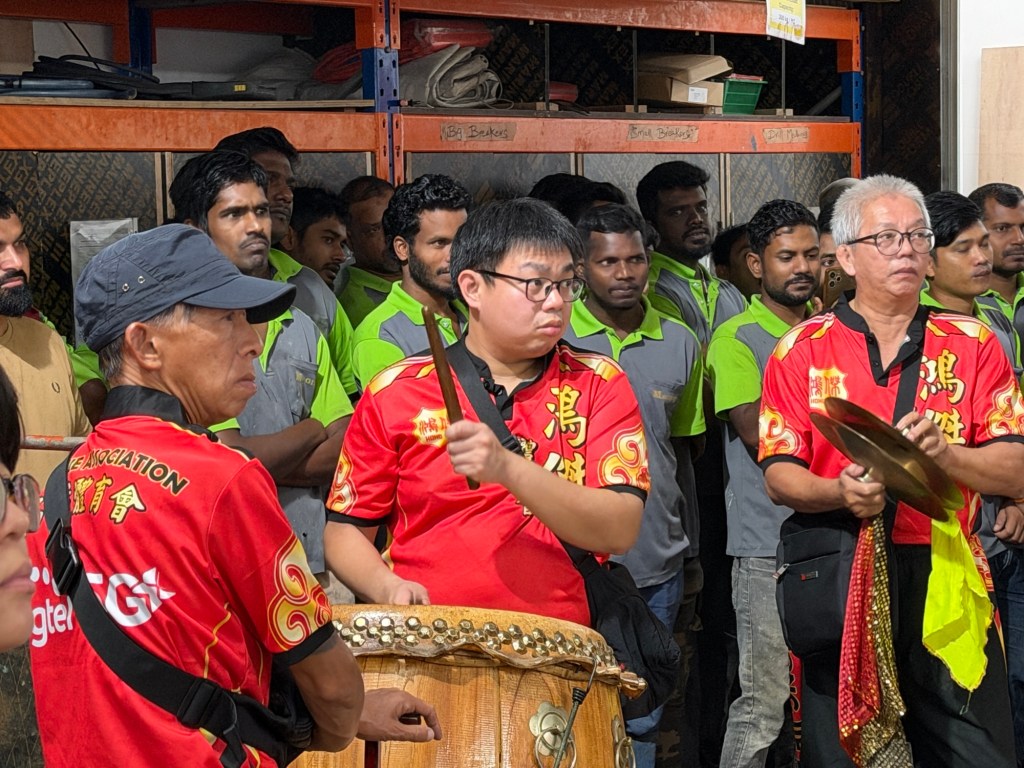
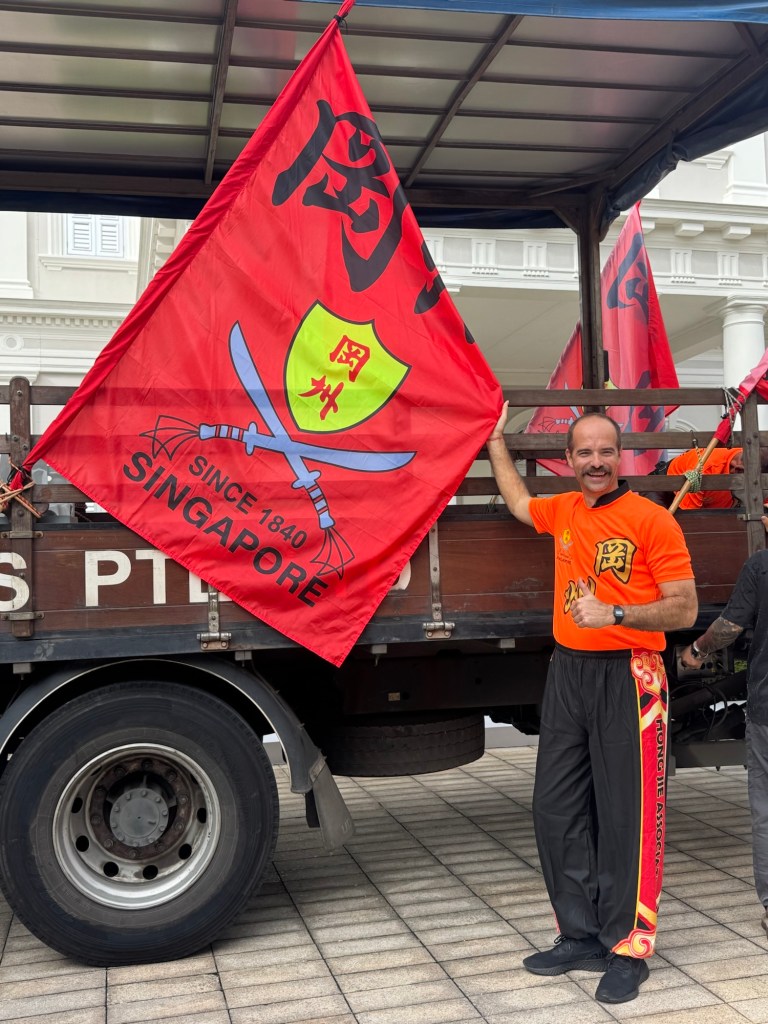
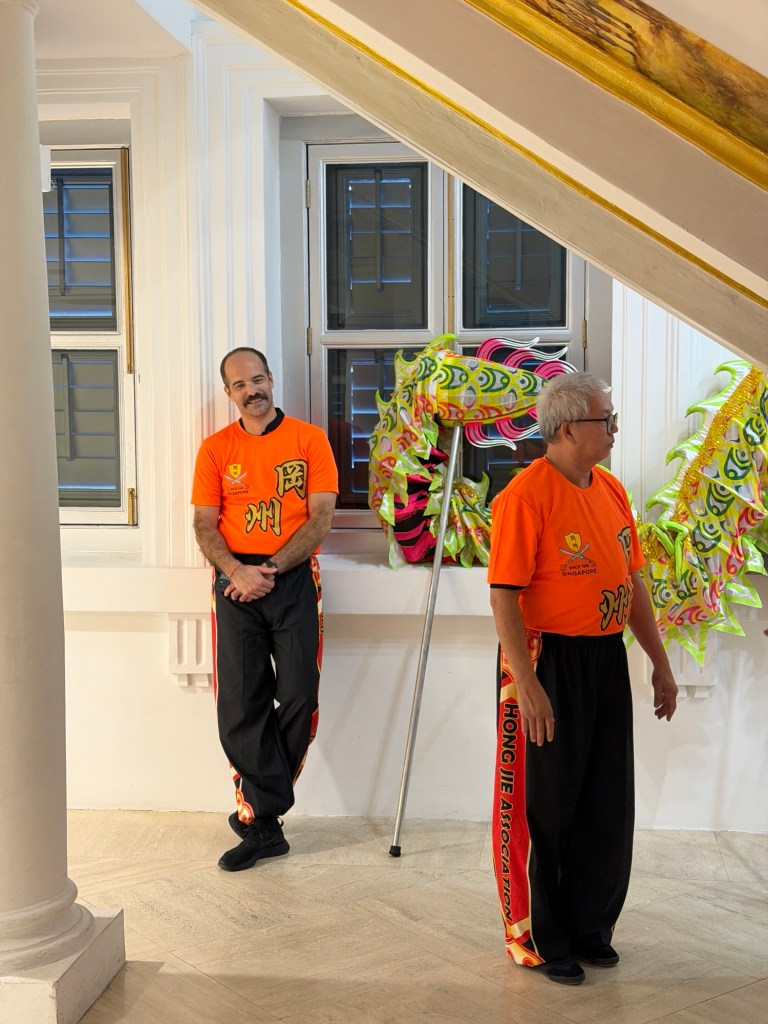
So, this year’s Lunar New Year came around. It came quickly, but somehow things worked out. We could find a weekend where we could join the troupe. The amazing group called Hong Jie Association.
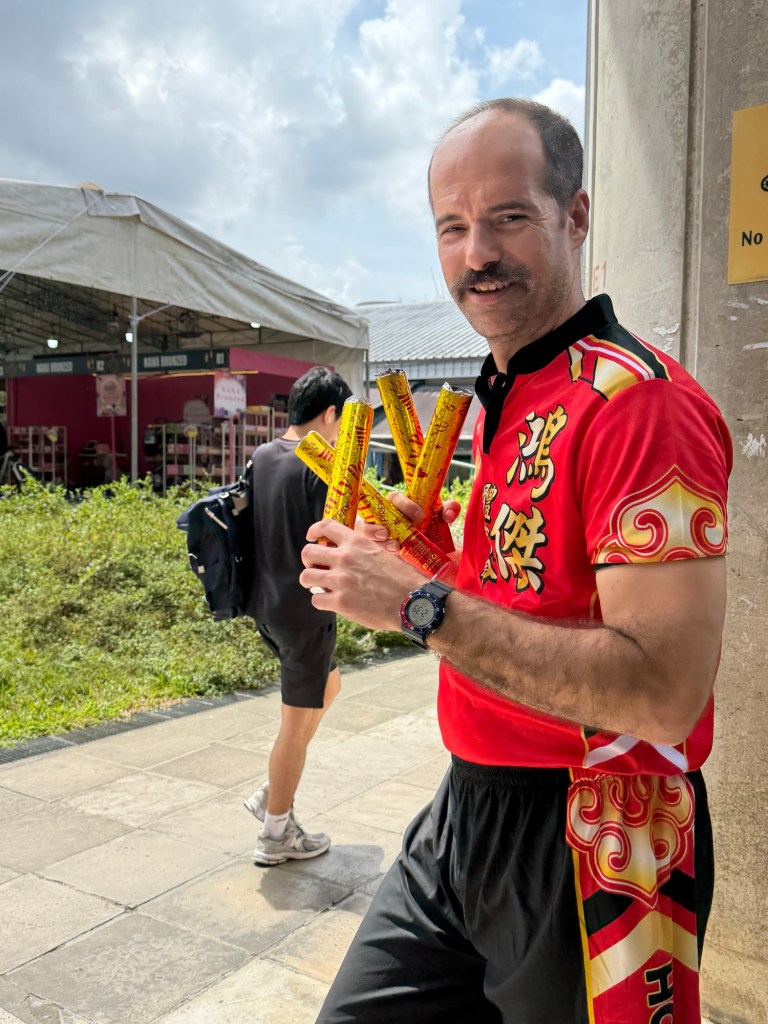
It was a whirlwind from the first moment we arrived. 8 am Saturday, an industrial complex. Everything packed in the lorrys already, put on the uniform, jump in let’s go. We are on the highway, my first experience riding on the bed of a lorry. Buildings whizz by, we arrive. Factories, offices, warehouses. Many workers waiting anxiously to see the troupe perform and start the new year with good luck and prosperity.
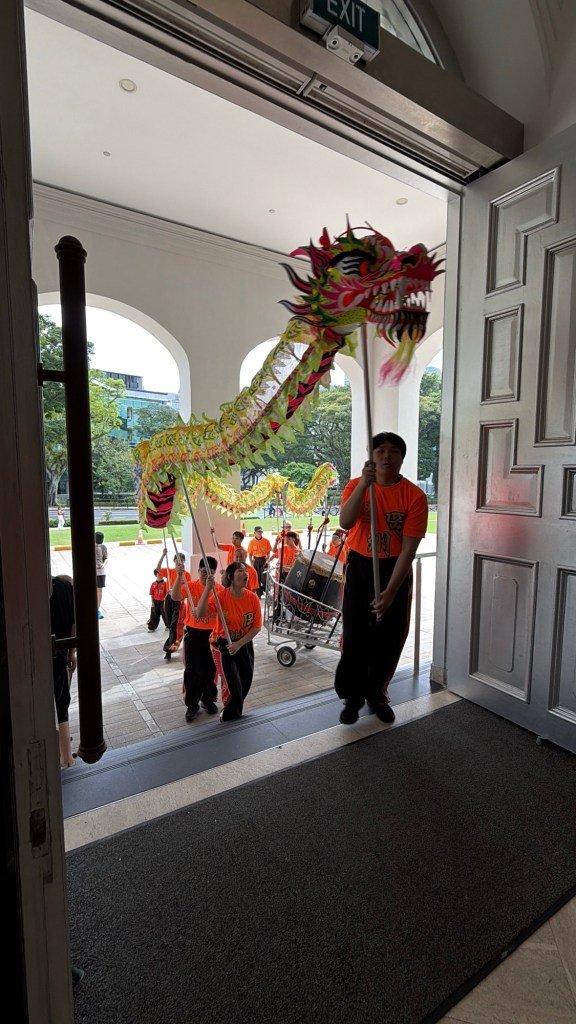
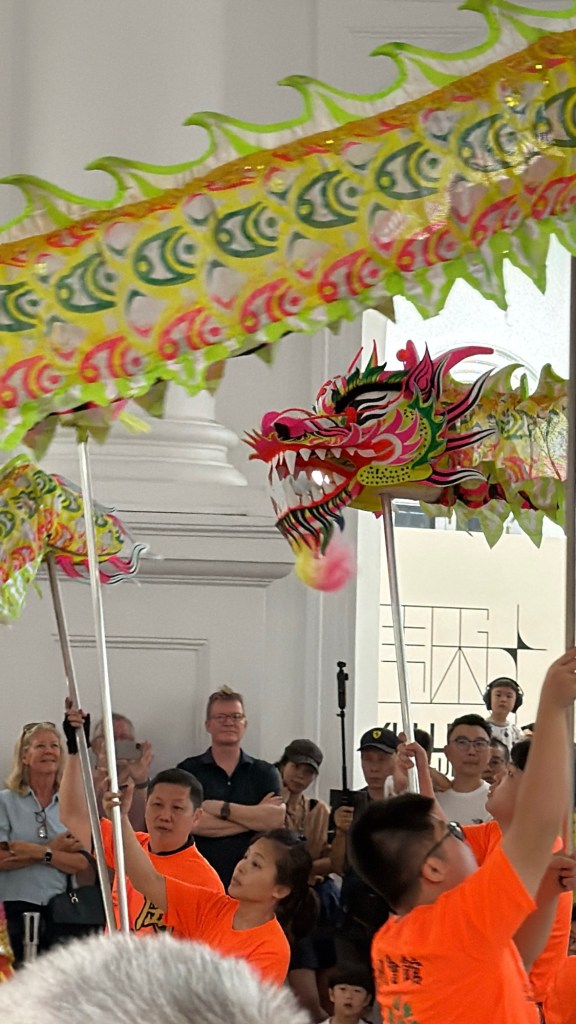
Off to a special performance next. National Museum, collab with the oldest troupe in Singapore. Many new faces, colorful uniforms, strategic planning of how to position to many props and space out the dancers. Huge success! Joy in children’s eyes, awe in their parents. This is it for us today, see you all again tomorrow bright and early.
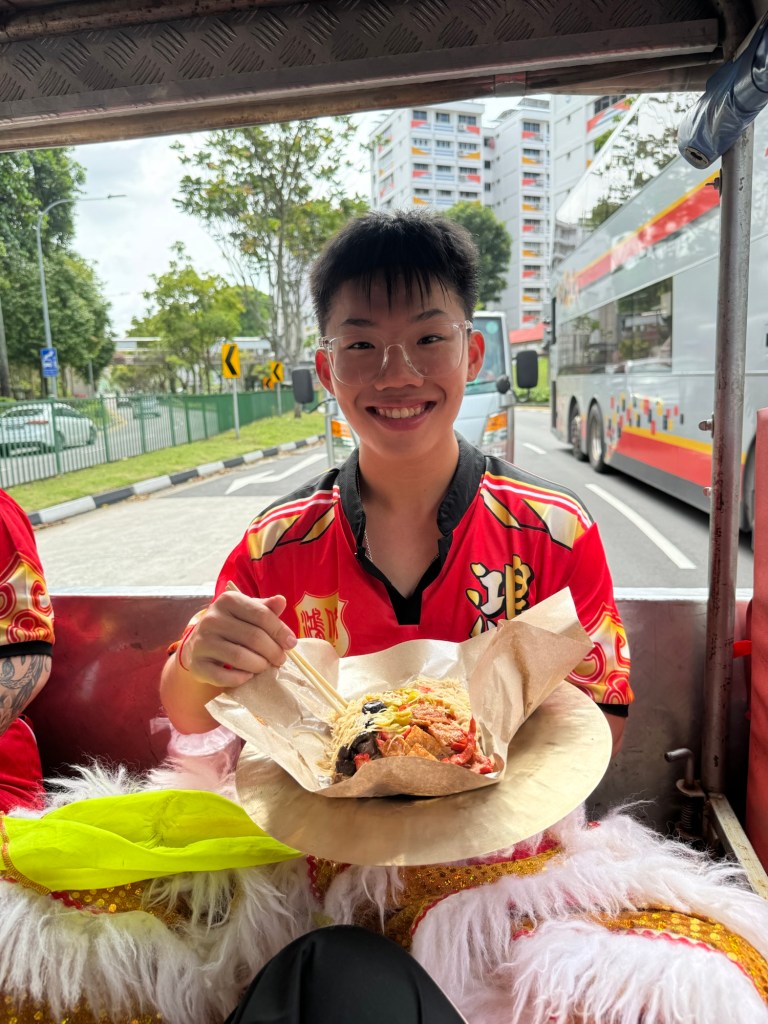
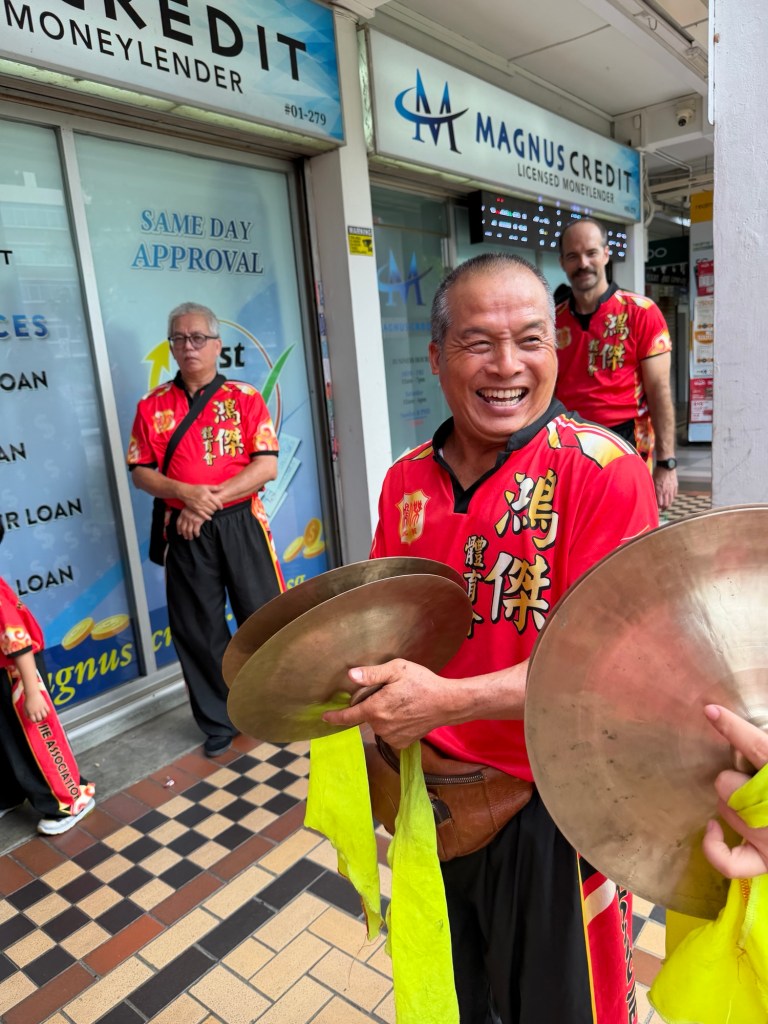
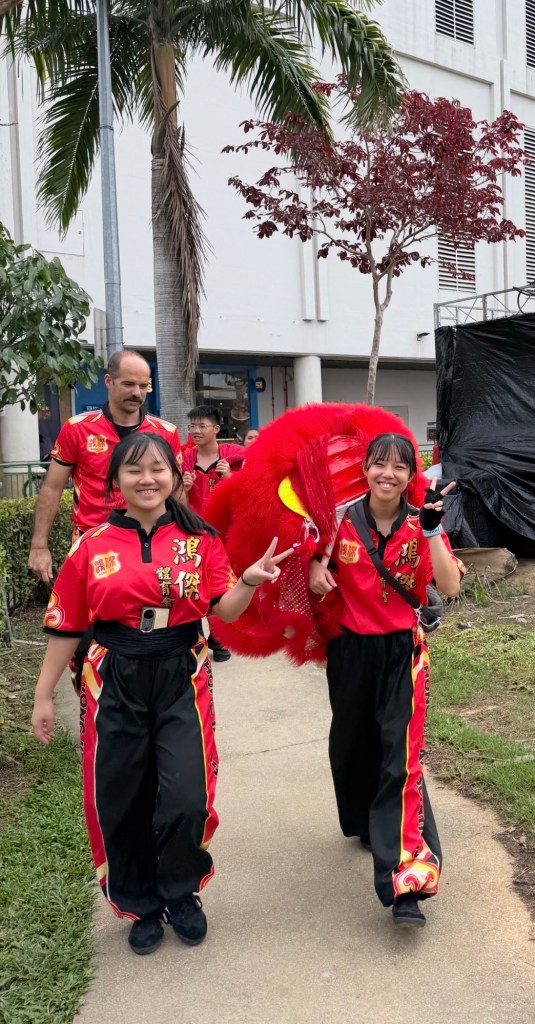
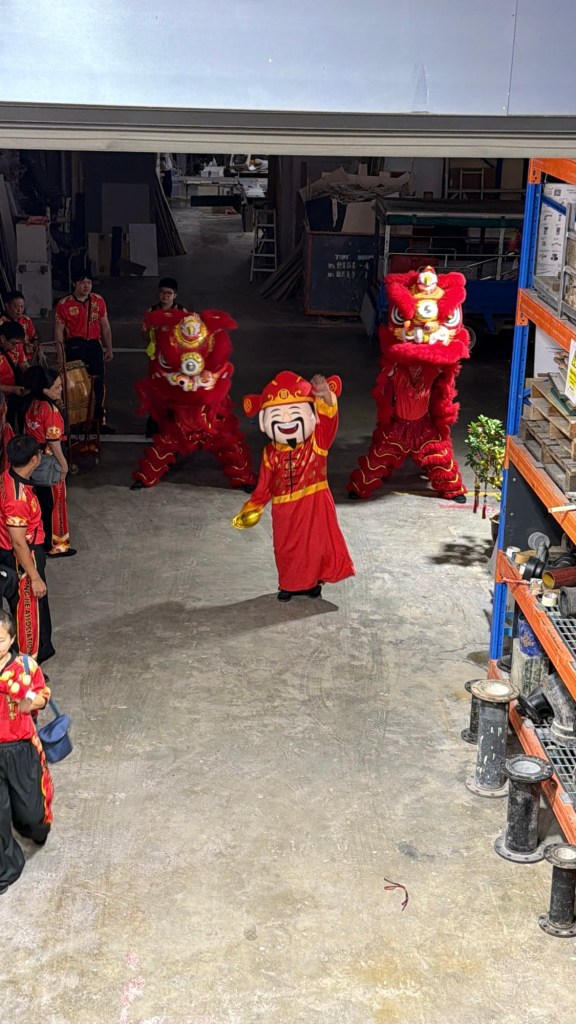
Here we go again, early start. Members arrive early, some help with prepping the props, kids practice drumming, men prepare flags and decorate the lorrys. A clan association, an HDB unit (the owners said hello to me in Hungarian! Wow!), mobile phone stores all over town. Crowds, joy, many pictures taken. This is exhausting work. And I just a spectator with no real responsibilities. Respect to the passion and energy of each member. Food? Replenishment of their energy? In the back of the lorry, eating from paper plates. A quick pickup of bubble tea between two stops. The day comes to an end, sadly. I learned a lot, a saw a lot. I met interesting people. I gained a deeper appreciation of this special cultural performance and the amazing people behind it?
They say they train the entire year, 2-3 times per week. Shall I join? We shall see. But my connection to the troupe means something. Thank you!
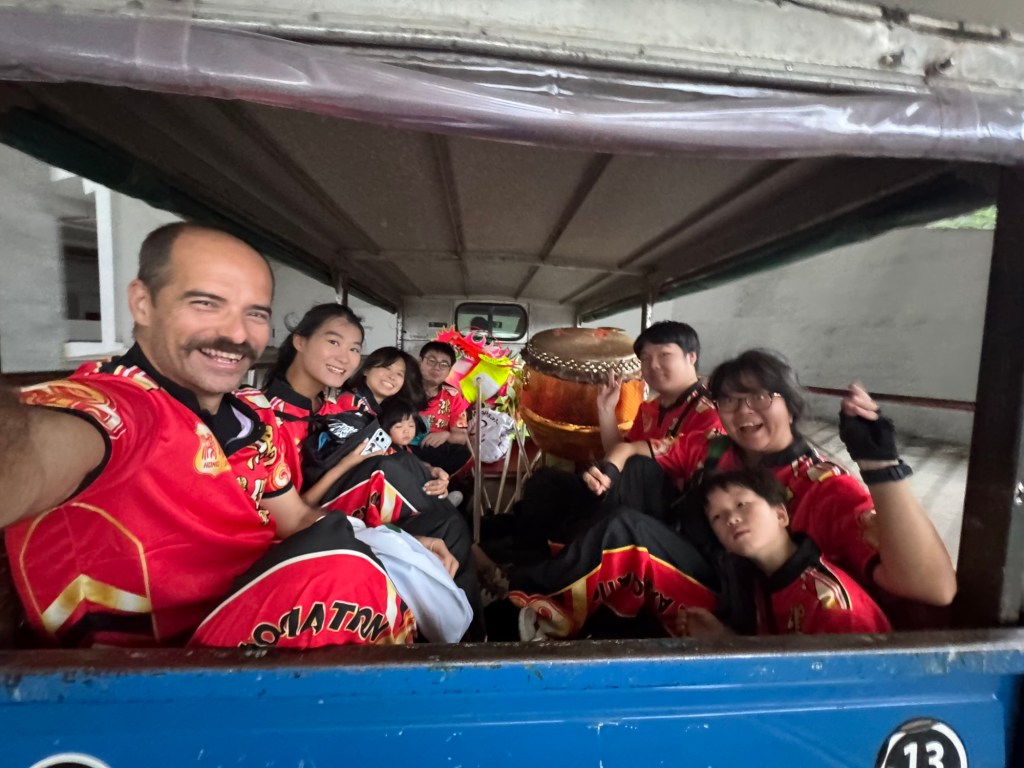
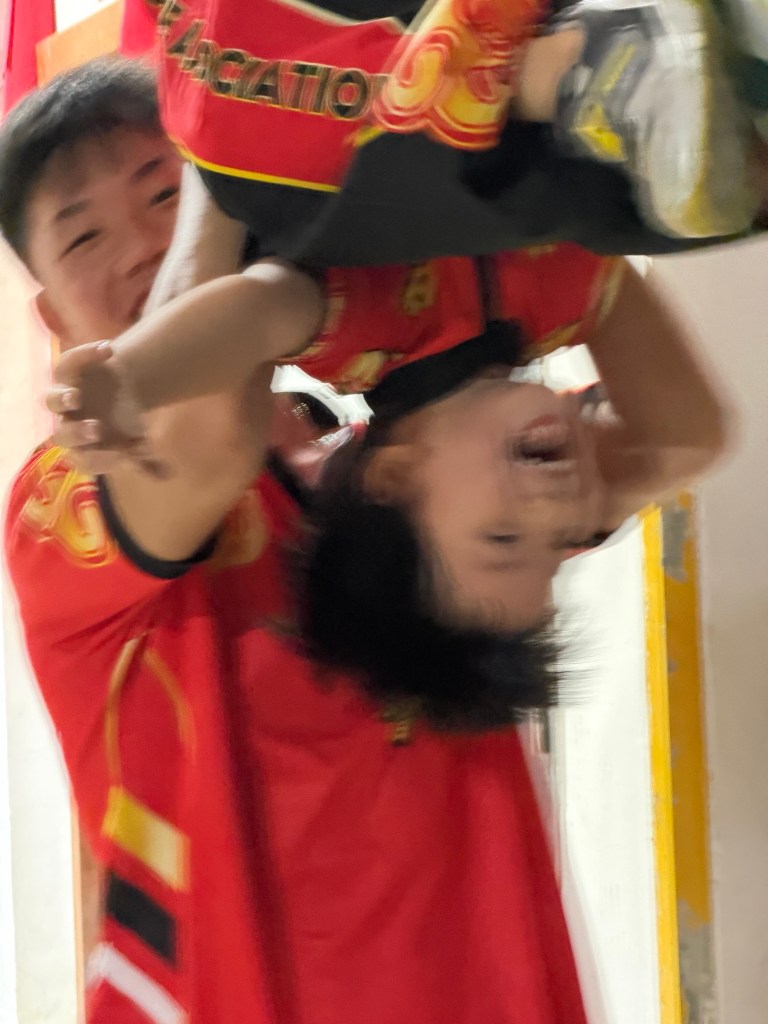
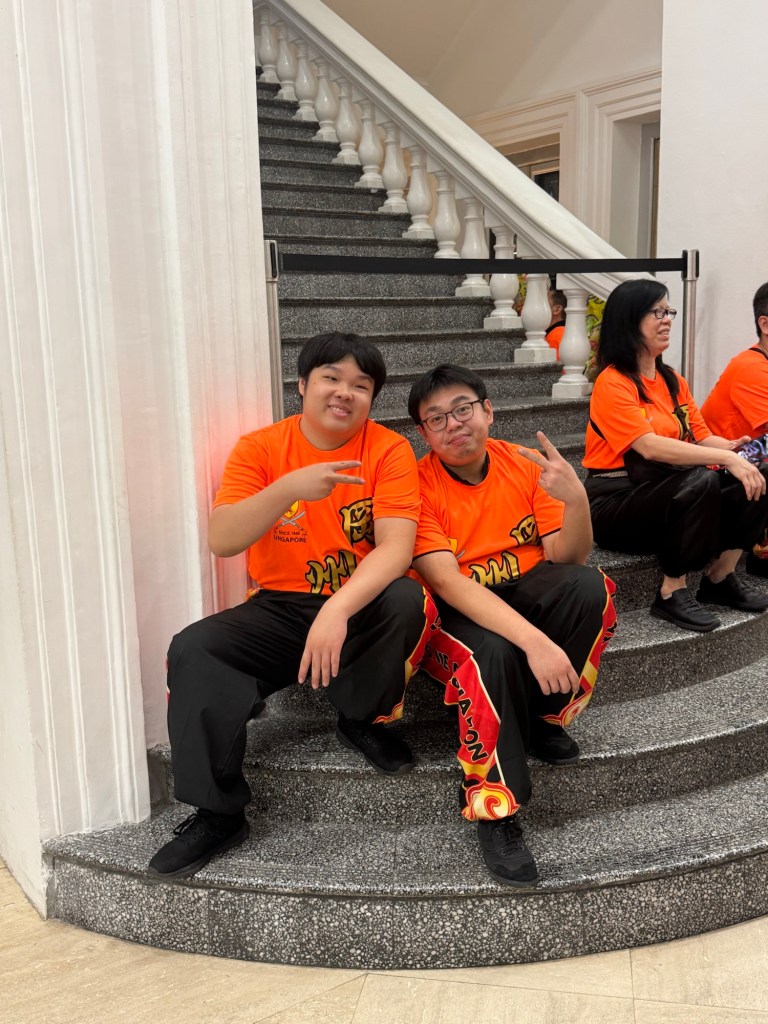
Behind the scenes…
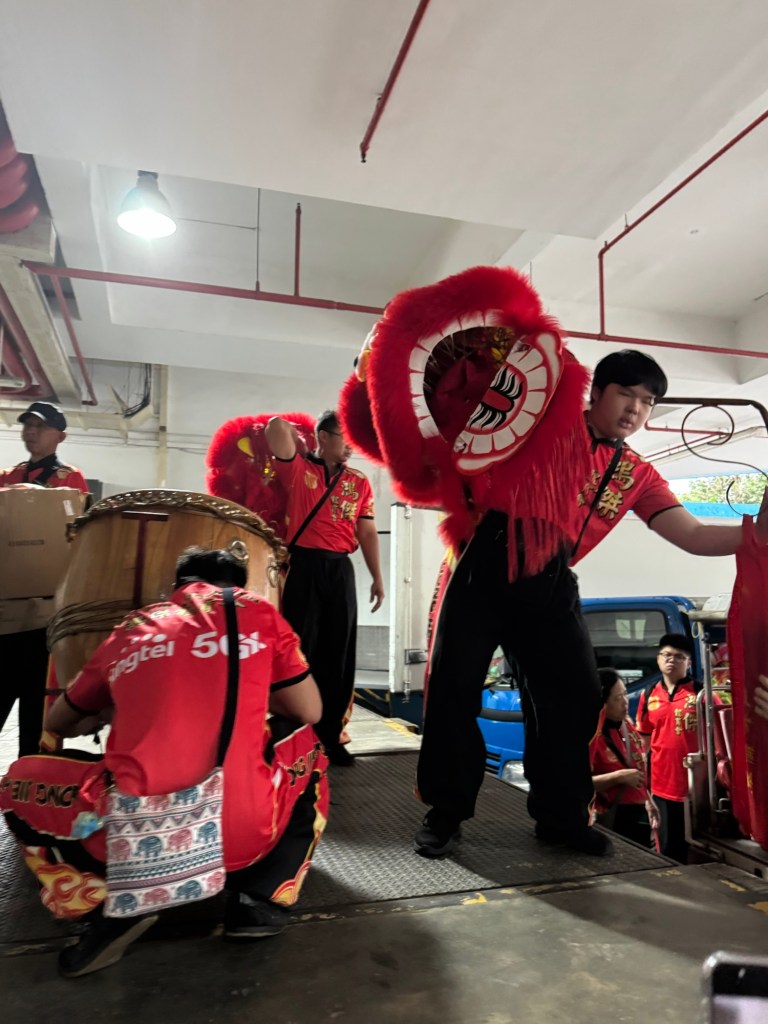
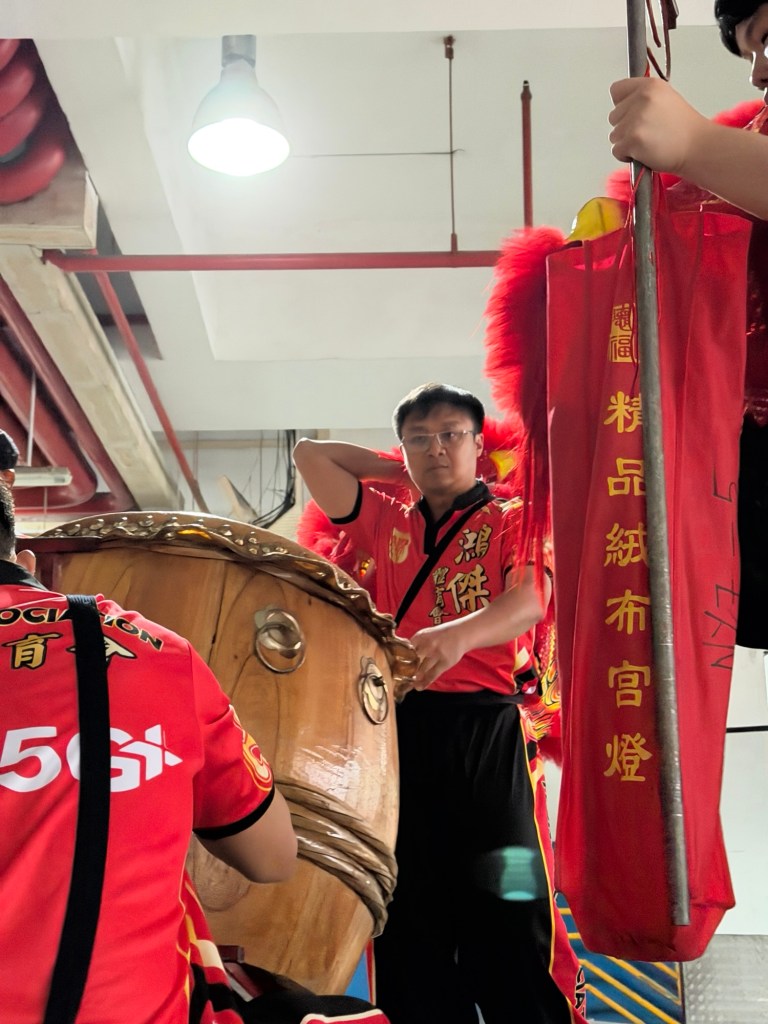
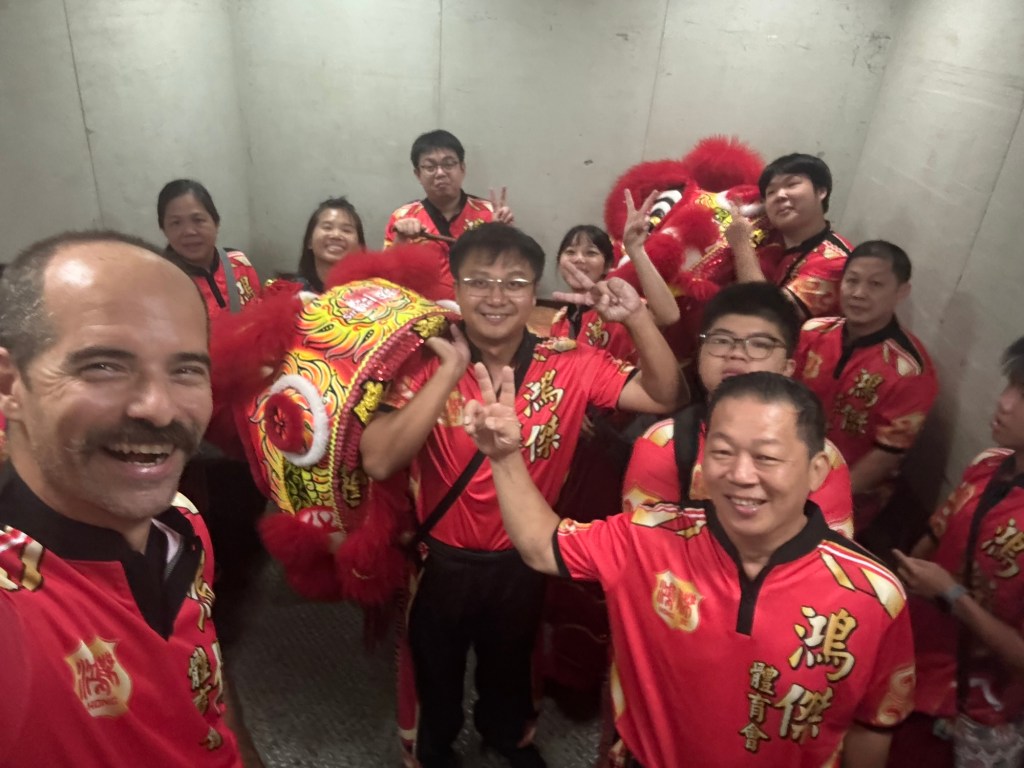
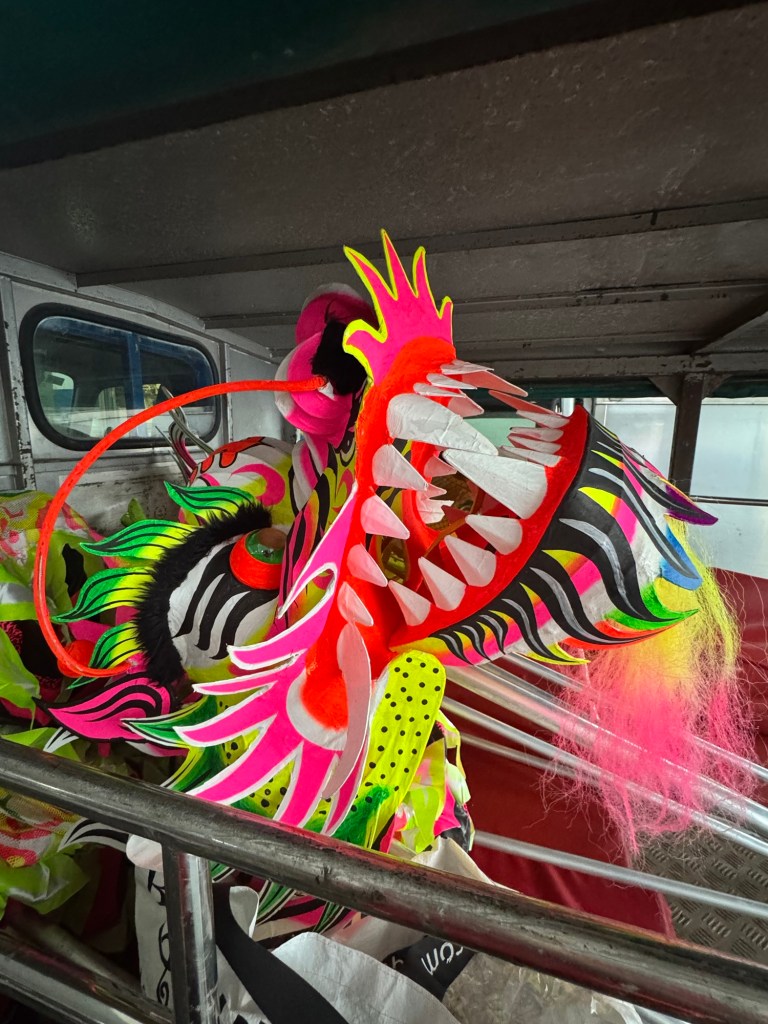
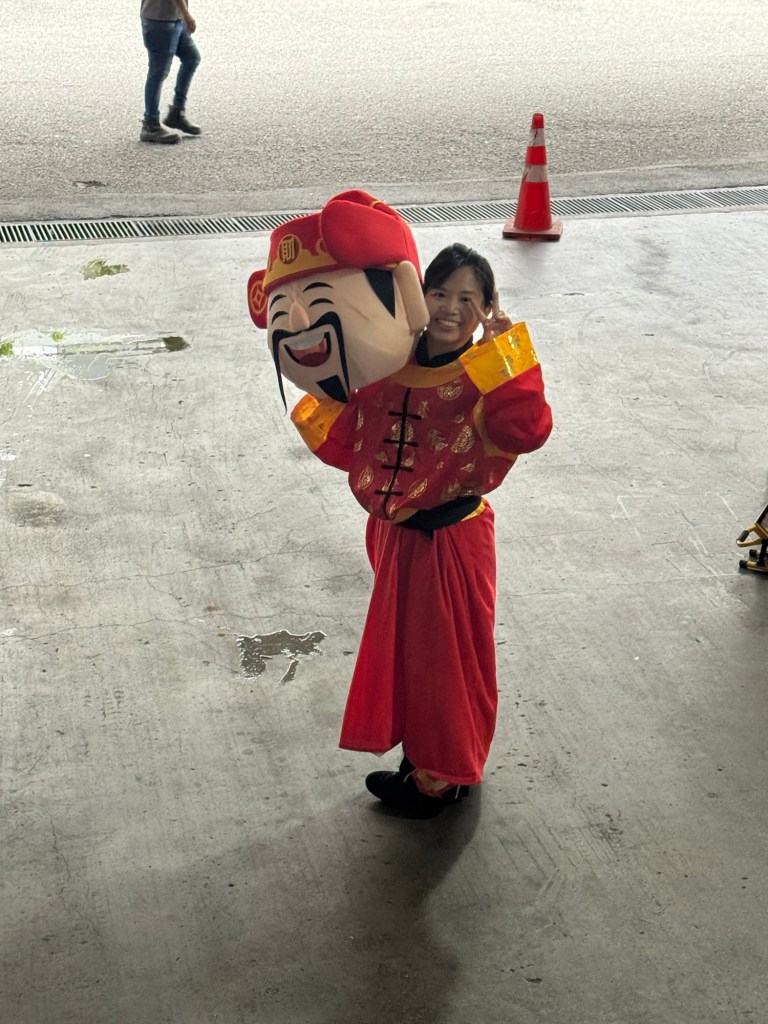
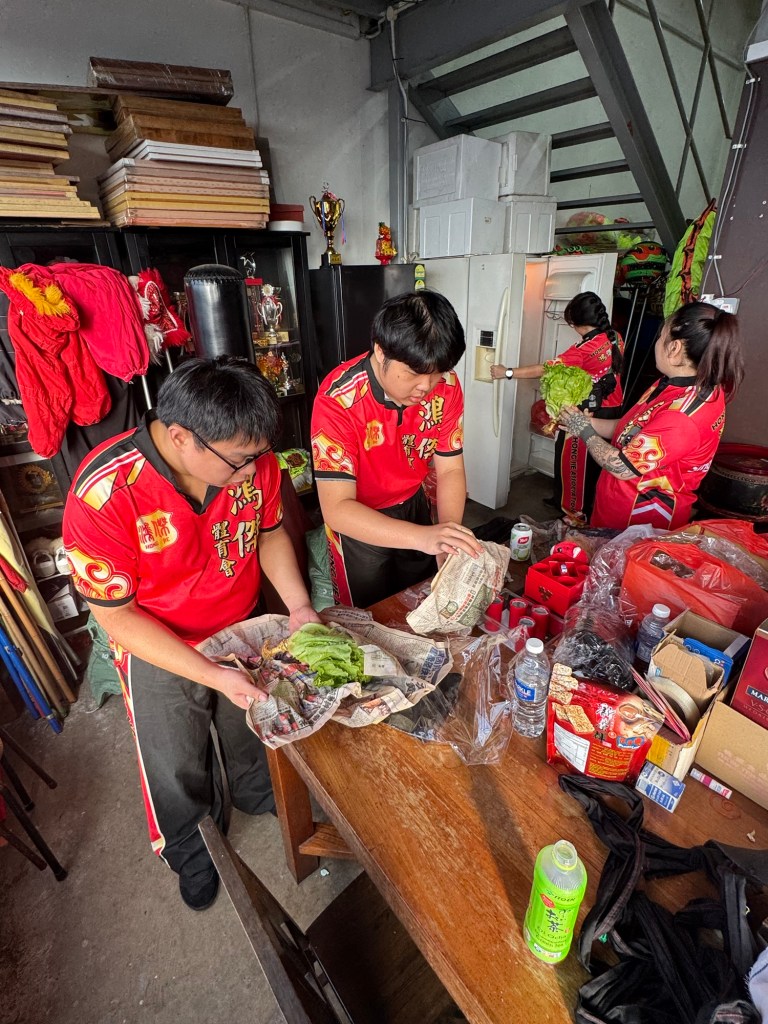
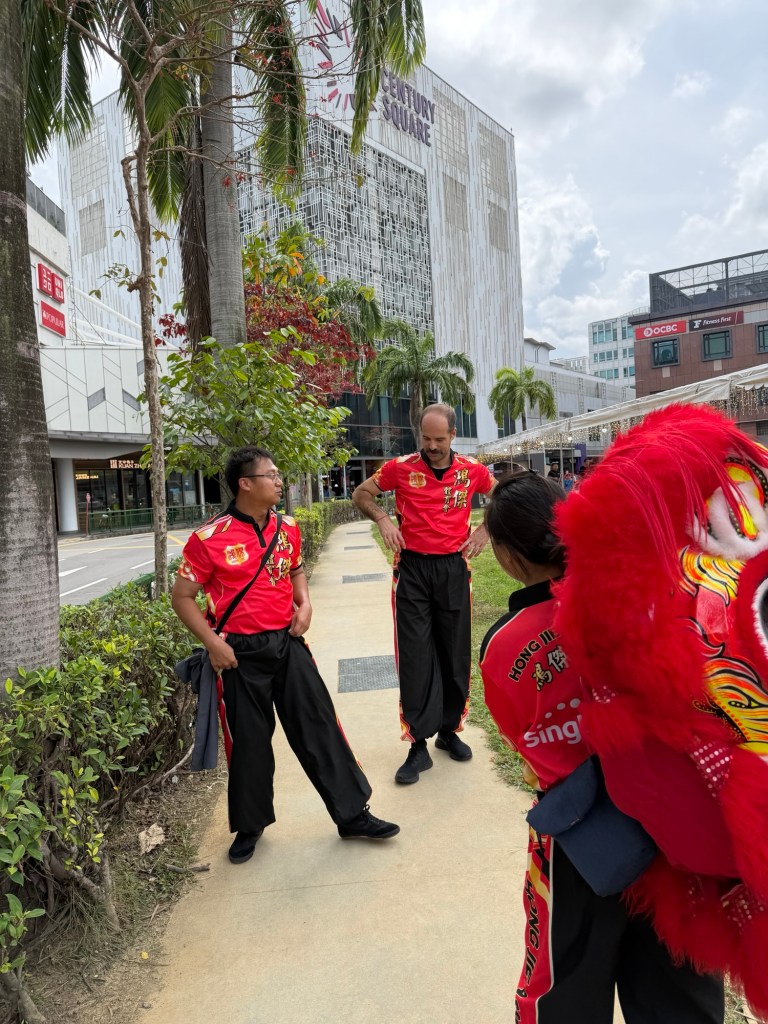
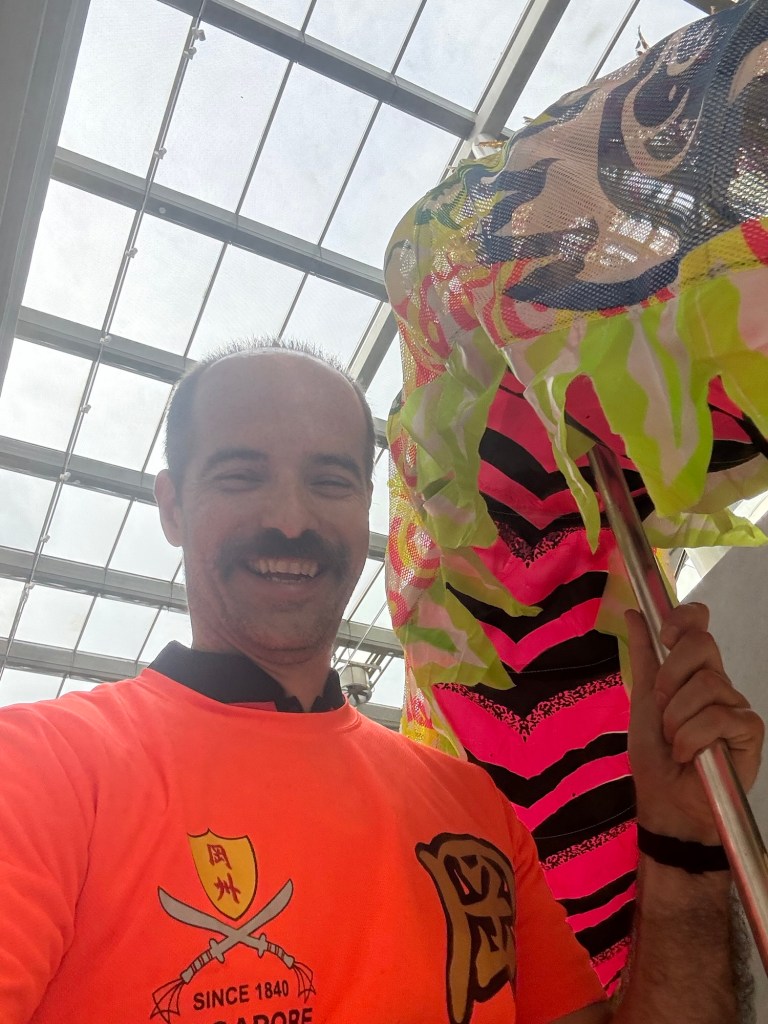
Moments of fun and laughter…
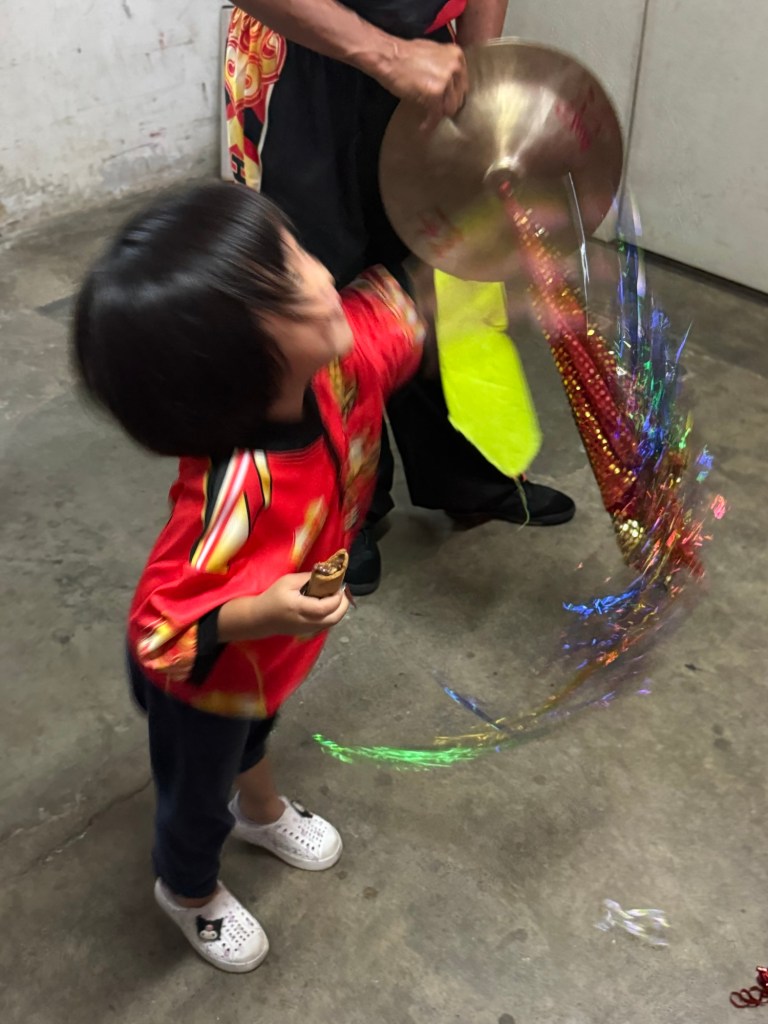
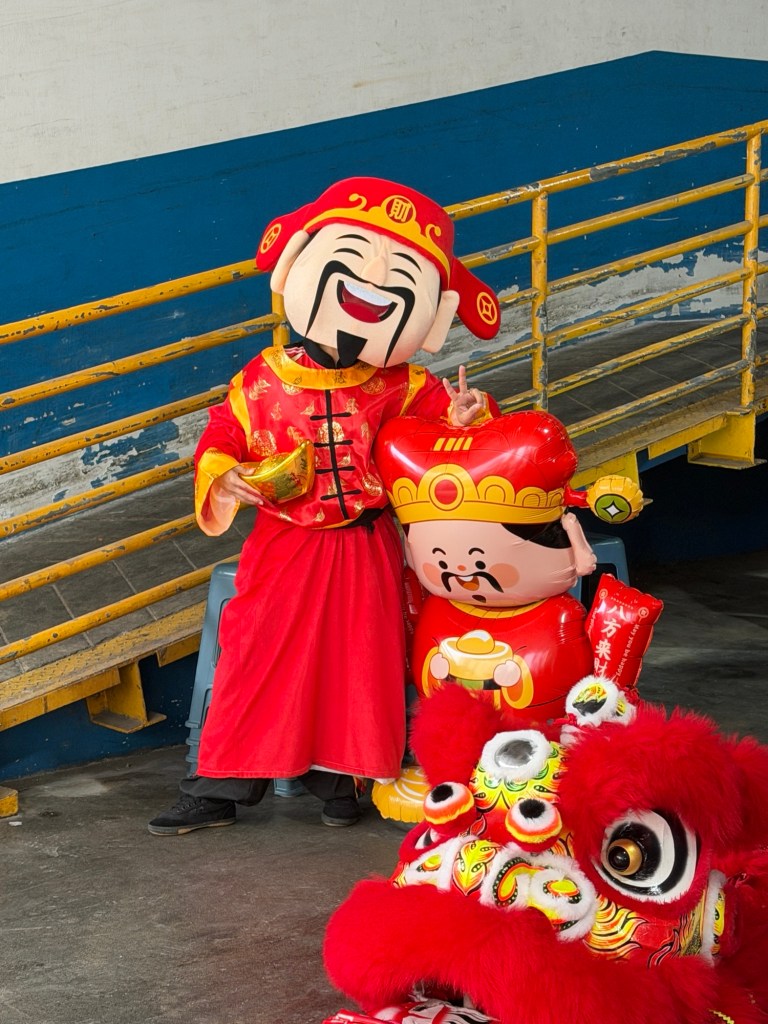
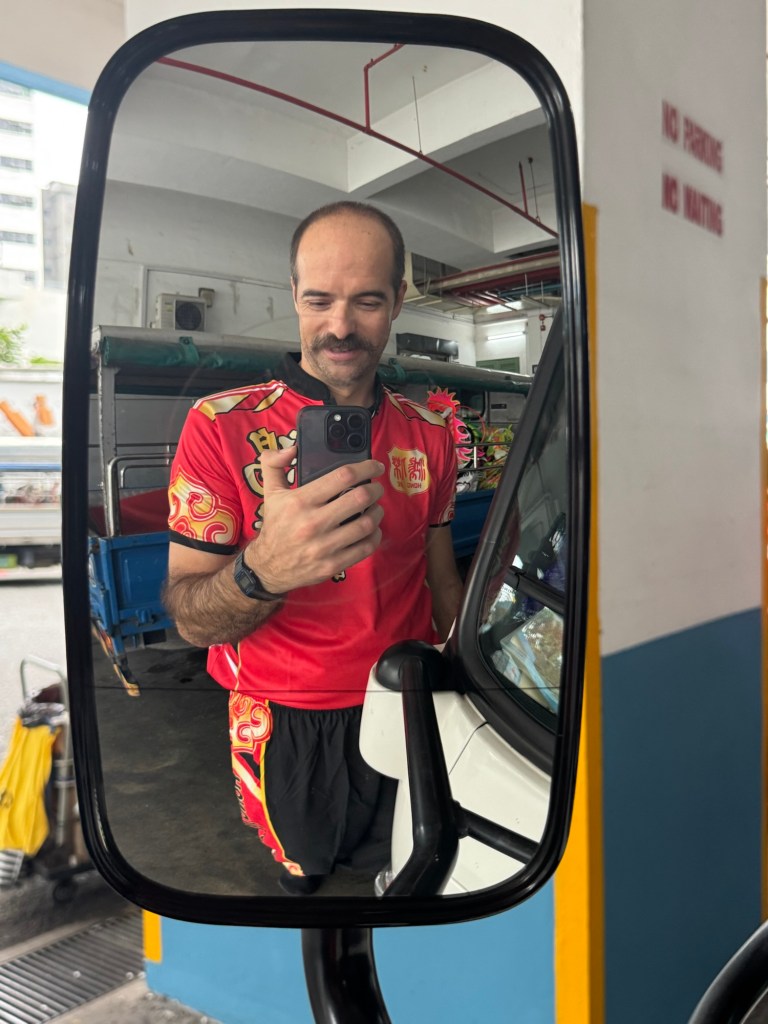
These guys are good!!!


Leave a Reply