February 2023
My travel diary – Part 2
Mongolia through my eyes
Mongolia has been on my list of travel destinations for a long time. In fact this expedition was originally planned to take place in 2020 but got delayed to 2023 due to COVID. I have always thought of this country as a place where magic can be found around every corner. I would say my experience on this trip largely confirmed these lofty expectations. There is so much to write about, it is somewhat difficult to decide where to start.
At the end, I decided to structure this segment of my diary into 3 parts: observations about the country itself, observations about Mongolian people and observations about Mongolian customs. Given the vast and diverse cache of experiences I wish to share, I will not aim to keep chronological accuracy as I speak about these groupings, I will rather focus on painting the richest and most vivid account of what I saw and felt, to allow myself to relive those memories and for the readers to imagine themselves in my shoes.
My Observations on Mongolia, the country
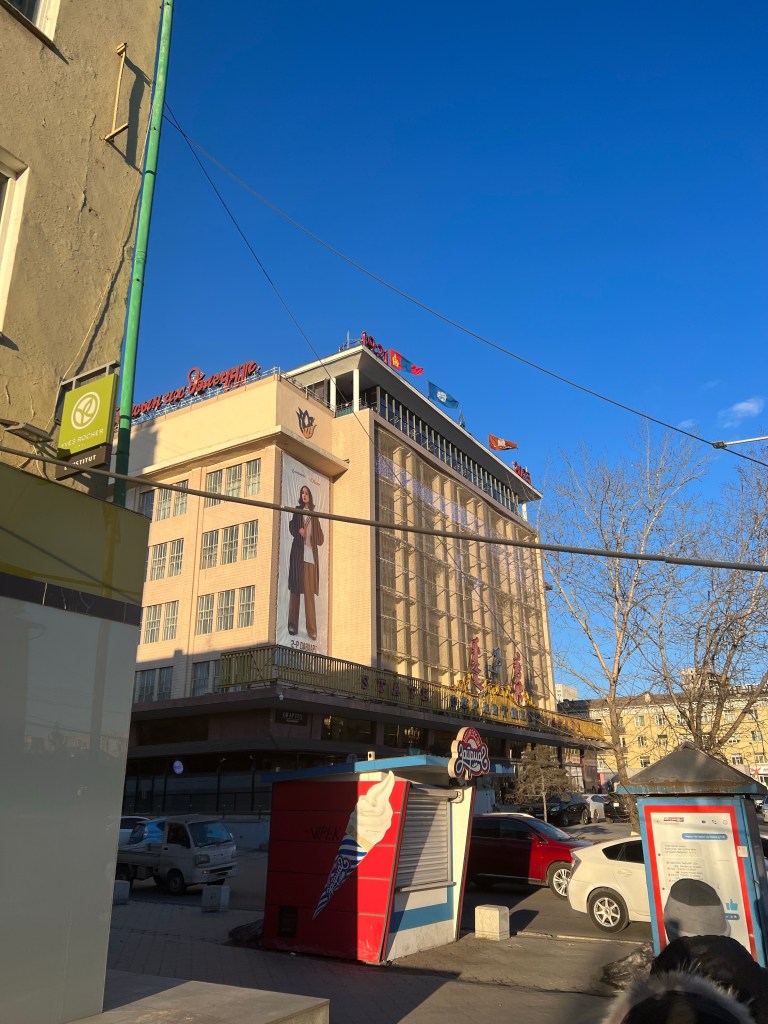
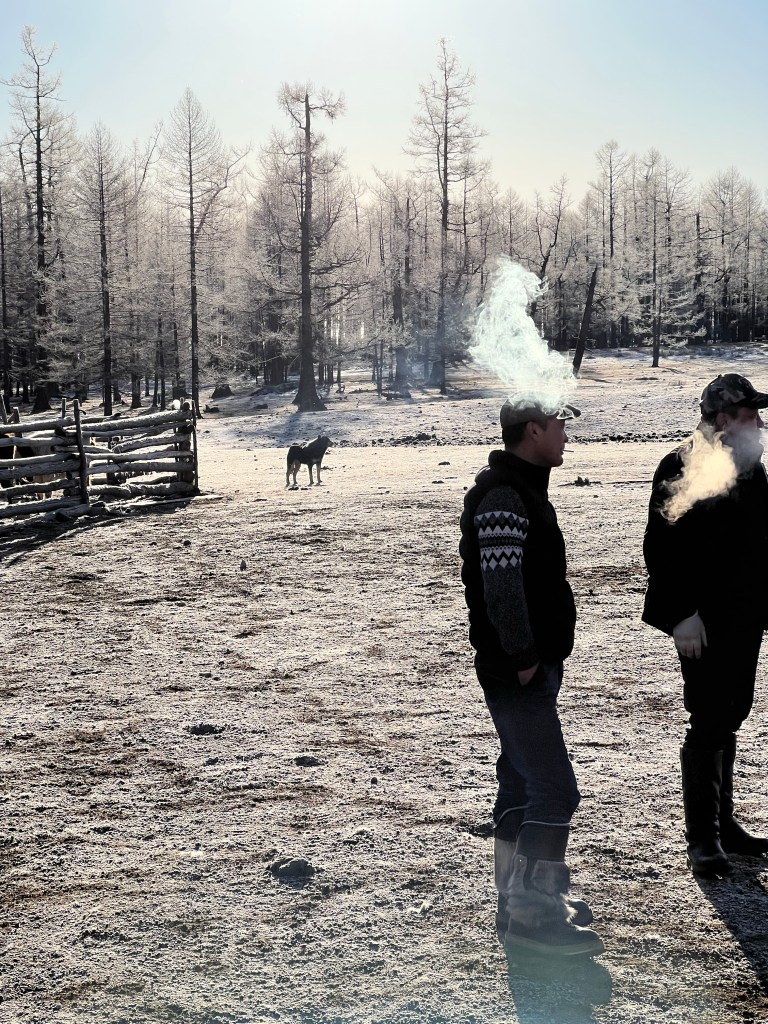
UB itself holds about 1/3 of the population, approximately 1.5 million people. There are a few smaller cities outside of UB (see Murun for example, mentioned in an earlier chapter) but it became apparent quickly once we got on the road, that most of Mongolian life centers around or at least touches UB. Towns and villages in the countryside are small, consist of mostly low floor buildings and even in towns one can find many dirt roads and people moving around on horses. The part of the country we saw was mostly flat and dry with patches of snow cover. These fields become green grass lands in the spring providing food for the countless horses, cows, sheep and goats we saw on our journey. As a result of countless animals roaming the flatlands, there is animal poo literally everywhere. In fact there is so much of it and so little firewood that nomads use dried cow dung to fuel their fires. Dogs are also an integral part of the fauna and inhabitants of these lands. I would assume some of those dogs are working with the nomads whilst others are just street dogs eking out a meager living. I also got to see an animal I hold in an almost mythical status in my mind: vultures. These birds are huge and they seemed to find abundant source of nourishment in the countless animal carcasses littering the roadside along our journey.





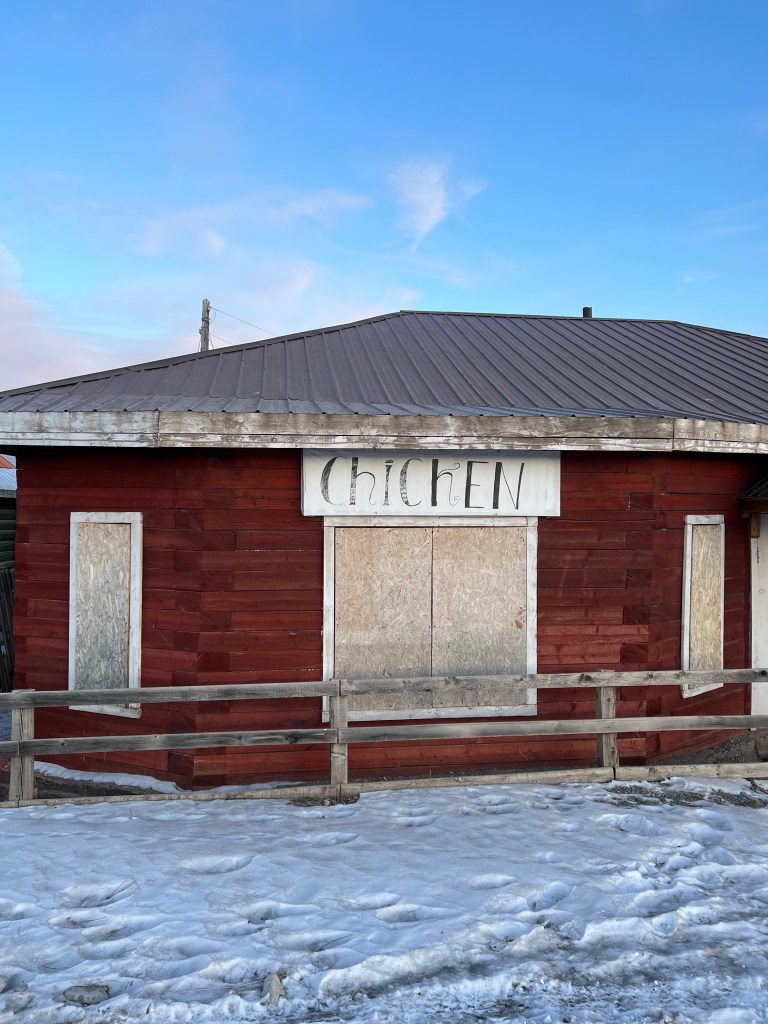

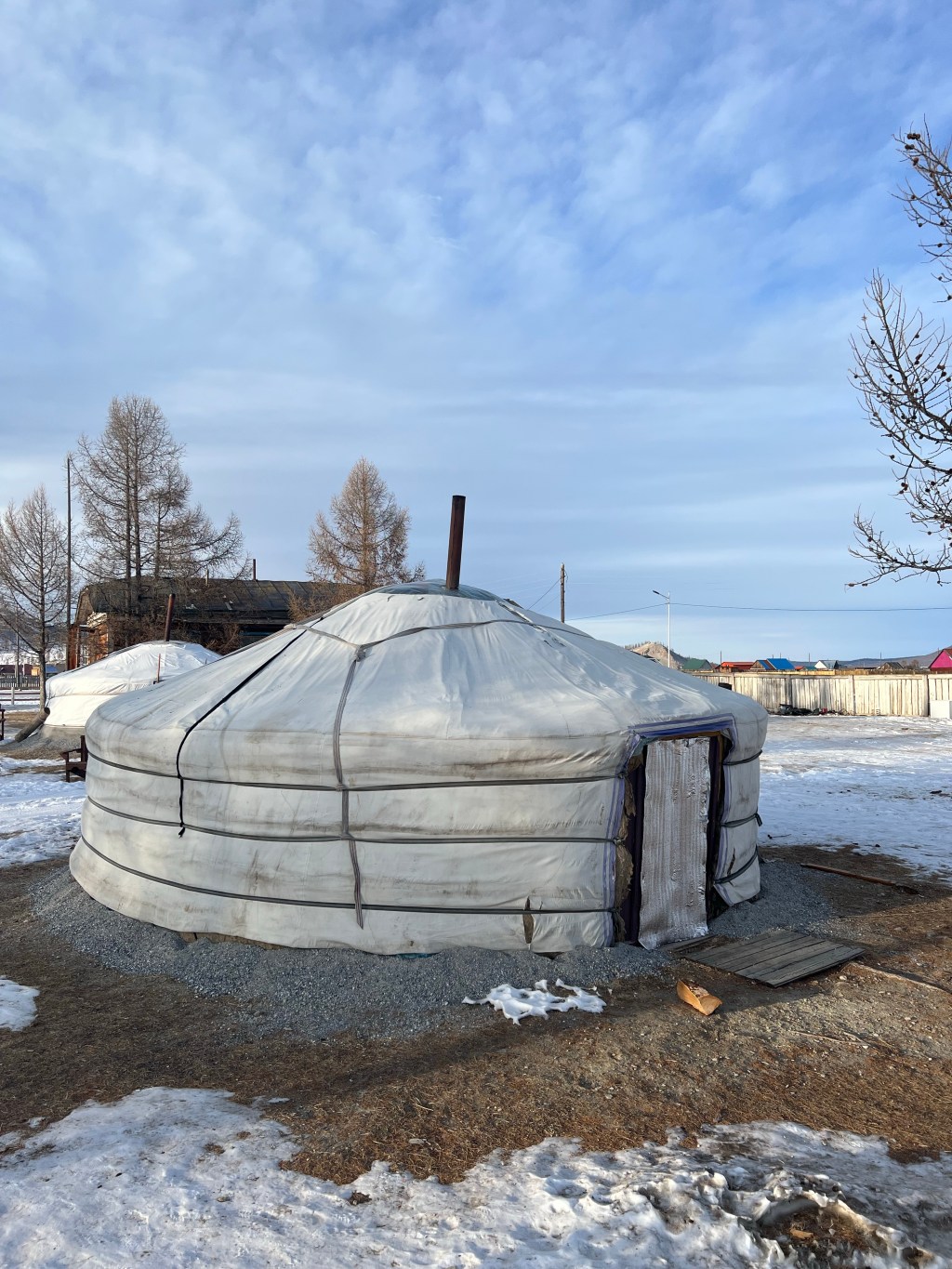
It was interesting to observe that many brick houses also had a ger erected next to them. As I came to understand, these gers could serve either as extra space for the family, or in many cases as seasonal accommodations for nomads passing through the area. As we drove west we could also see standalone gers, these also belong to nomads who set these up to live close to their livestock. It was interesting to observe the intersection of old and modern, for example in front of many gers stood western made cars and many sported satellite dishes facing in southerly direction.
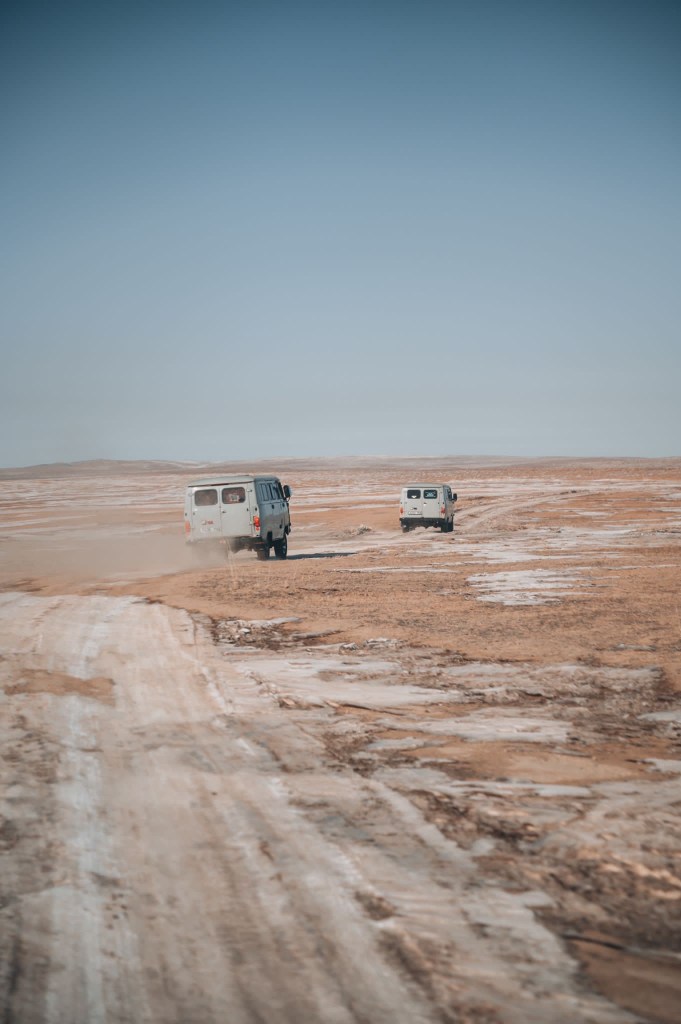
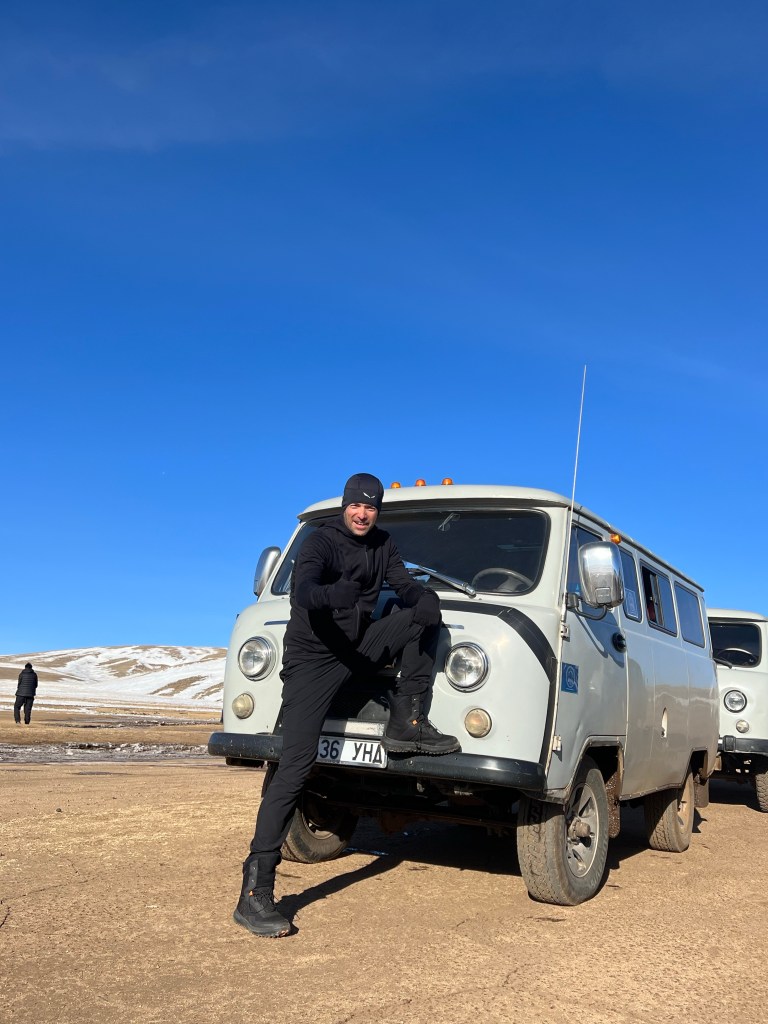
Cars were a surprise to me. I somehow expected many Russian or Eastern European cars and maybe some Chinese cars. Instead I found that most cars in Mongolia are actually Toyota Priuses!!! They are beat up and tattered but seemed to be relied on by majority of the people in the country. I also expected to see many more Russian UAZ vans like ours. But as it turns out there are only a few of these left any more and they all seemed to be used for tourism purposes, just like the ones we travelled in.
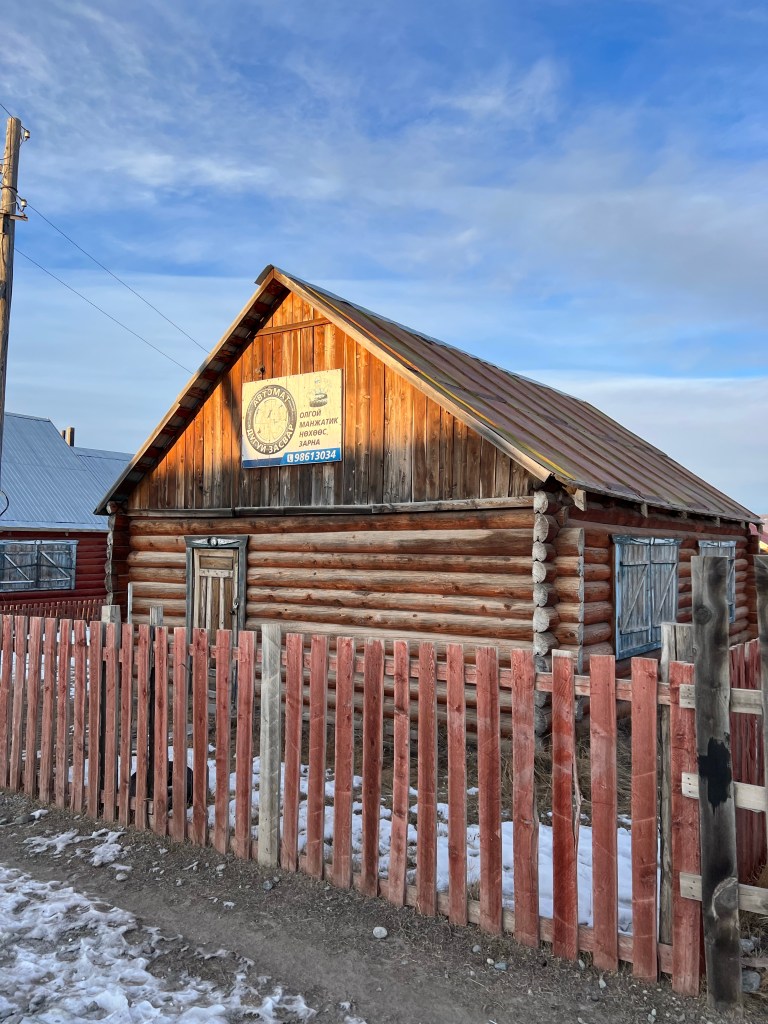
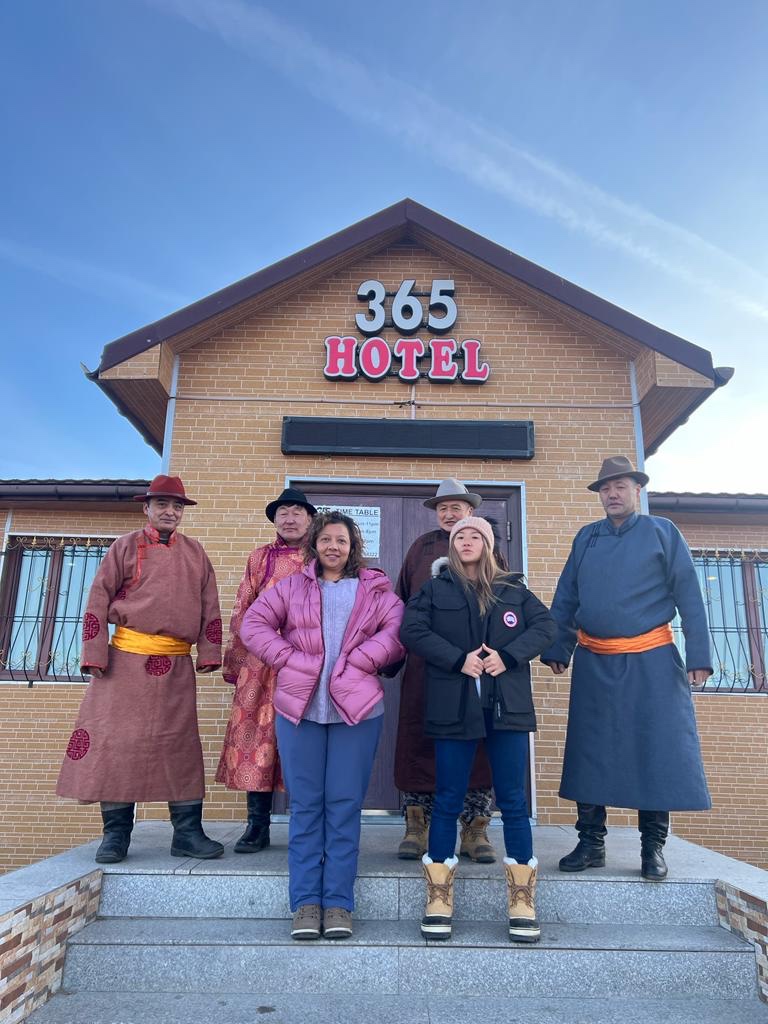
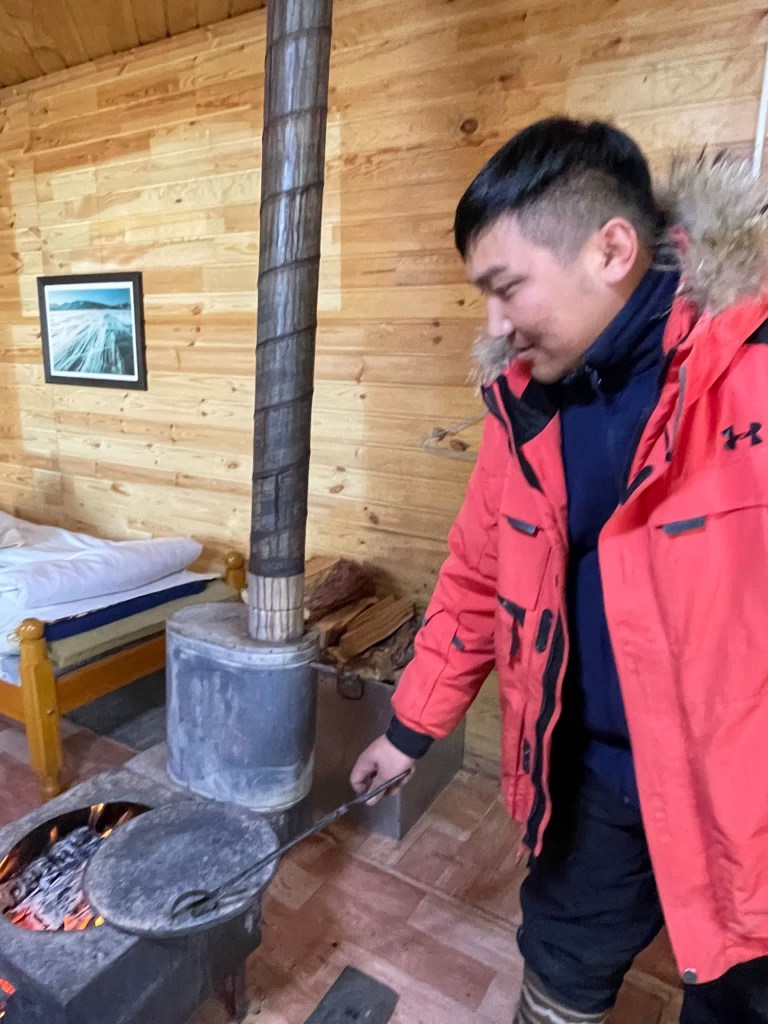
One could not identify many tourists on the streets of UB, and even less outside of the city. As such, guest accommodations in the countryside are sparse, typically consisting of only roadside guest houses or small hotels. Many of these establishments would be based on log cabin type arrangements or gers, with only the most basic infrastructure available. I am not sure if this was specific to our tour arrangements, but another interesting thing to notice was that these places would offer their facilities but we would be using our own cooks and self provided ingredients versus getting full meal services from the hosts. It felt that there exists an informal network and understanding of people opening up their houses and kitchens for vary travelers to come in, get warmed up, get some hot water and use the kitchen facilities to cook themselves meals. If this observation proves accurate, I feel it is an amazing representation of the general “can do” and “help each other out” spirit I sensed about Mongolian people on the entire trip. More on this later.
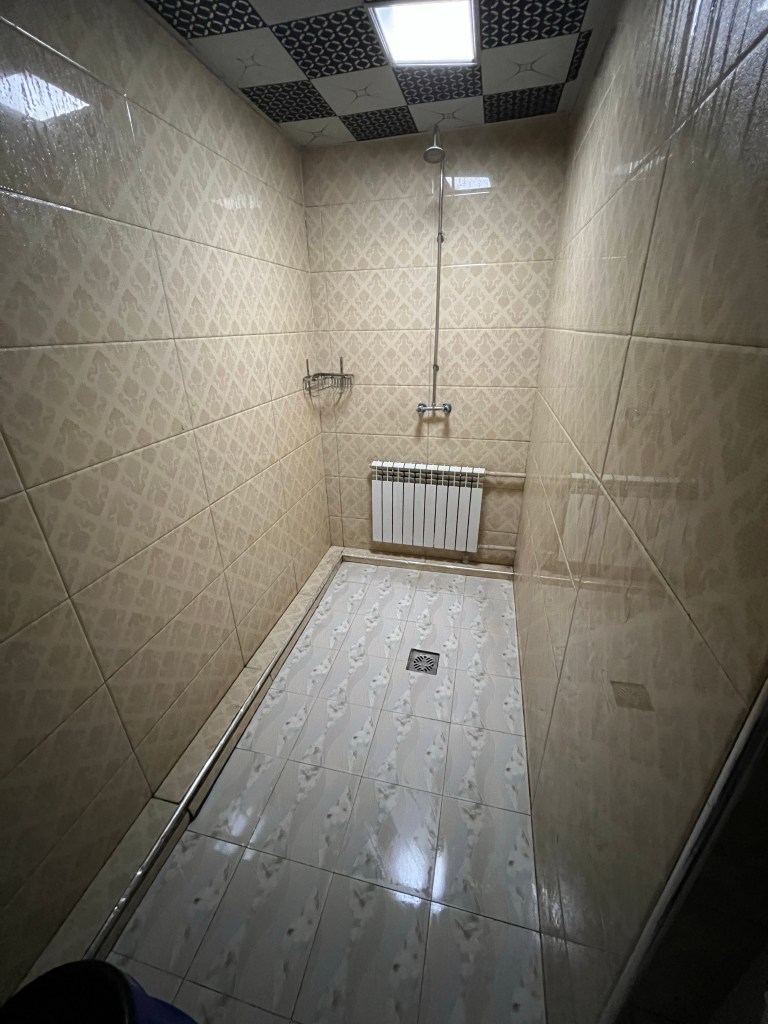
Speaking of facilities. Internet connection was strong in UB and around large cities, but quickly started dropping off in rural areas. On the lake itself we had two days with no coverage at all. Electricity is available in all cities and villages. At least the ones we passed through. The real challenge with facilities was around availability of toilets and showers. Cities have reasonable toilet infrastructure, but in the countryside and smaller places, the options are very limited. They do have some outhouses people could use but these were not the most inviting places. The other option was to go back to nature, carrying your own sanitary products with you. Access to toilets has become a major consideration for us as we planned our days and meals, and I would say this issue has become one of the least memorable parts of my Mongolia experience. Showers proved to be even more difficult to find. Outside of cities most places do not have running water installed. This is problem one. Problem two is the cold, which would likely render water in pipes frozen in short order. We knew this ahead of the trip, and the organizer suggested we bring bio degradable wet vipes to clean ourselves as best as possible on days with no shower access. The issue was the wet vipes froze quickly into rock solid bricks and the only way to keep them usable was by either keeping them on our bodies, in our sleeping bags or near the stoves. We also didn’t realize that there was going to be a 5 day period during which we would have to rely solely on wet vipes. In light of these conditions it was amazing to hear Scott inform us that Khatgal village actually had a bath house and we would each be booked there for a shower appointment the next day. This turned out to be a special experience for all of us. Not only for the joy of finally showering in hot water again but also to experience a public shower house in rural Mongolia. The house itself seemed like it was someone’s house, but once inside, we found a small waiting room which lead to a corridor with five shower stalls. It was definitely one of the best showers I had in a long time. I still shiver as I recall the moment I stepped out to the freezing outdoors, enjoying the feeling of a rush brought on by the temperature difference between the shower and the outside air.


Now a few words about food. Most dishes offered included some form of lamb or beef meat, typically with all fatty and sinewy parts included. Mongolians seemed to take particular pleasure in biting and gnawing at these meat pieces and not leaving anything even remotely edible on the bone. Garnishes typically include boiled potatoes, rice and pickled vegetables. On multiple occasions we got to experience the presentation and flavor of Mongolian barbeque. Although I do not eat meat any more, I do have memories of a certain way of Mongolian barbeque. To my surprise, the real way of this type of food preparation in the country turned out different to what I expected. Instead of grilling meats on fire or charcoal, the Mongolian cooks (aided by our drivers) added chopped pieces of meat, onions and whole potatoes into wok-type dishes, layered with rocks they heated to sizzling levels in open fires. Once the entire wok dish was filled up with such layers, they put a lid on and put the entire setup close to the fire to continue to steam through. When finished, they would pour the entire mix onto large platters and put those into the center of tables for everyone to dig in.
For drinks, their primary options were hot water, hot tea and hot coffee, as well as milk tea. The version of milk tea I saw was made from cow milk, but, if I understand correctly, other animals’ milk are also used to make this drink. My diet does not allow me to take such a drink, but of course my team colleagues tried on multiple occasions. Some really enjoyed the drink, some found the taste somewhat alien and fatty and elected not to consume much.
Access to drinking water turned out to be more challenging than we would expect based on our lives in Singapore. In UB I only took bottled water and I do not have any knowledge about how safe tap water may be. I did find out though that Mongolians treat their waters with the utmost care and reverence and this tells me that their tap water may be very clean and safe to drink. Speaking of clean natural bodies of water, our drinking and cooking water during the lake trek part of the journey was largely sourced by harvesting large boulders of lake ice and melting it over the ever burning fires. Such water tasted just fine and I am not aware of anyone having developed problems drinking such, purest natural form of water melted from diamond blue color ice cubes.

Another challenge we faced with access to fresh water was due to the extreme cold temperatures. Keeping water at room temperatures was almost impossible. We either had to heat it to boiling levels or take bottles of frozen water and thaw them in close proximity to a heat source. We were warned in advance about drinking enough as to not let our bodies dehydrate. I would say this proved to be challenging and required a lot of attention and planning as part of our approach to adjust to life in frigid temperatures.
Observing commerce and retail, I noticed that most western consumer staples are available in grocery stores. I saw Oreos, Haribo, French wine, Italian wineand all the typical soda drinks. I even saw large warehouse grocery stores selling double door fridges. Fridges? Hm.. For payment one could use local currency, but VISA and Mastercard was also accepted everywhere, even just using our phones to tap and pay was an option.


Finally I would like to spend a few words on our experience at Ghenghis Khan Airport in UB and on board Mongolian airlines’ flights. The flights were clean and felt safe, service was actually really good and food was okay. The only issue was with leg room in economy class. The airport is modern, clean, efficient, customs were very and processed our immigration quickly. On departure our check in was quick and smooth and we got to spend our few minutes in a very spacious and modern waiting lounge. I must admit our flight, airport and immigration experience was much better than I expected, which I am very thankful for.
My observations on Mongolian customs and traditions
The Mongolian New Year happened to be celebrated during our trip. Their new year is somehow tied to Lunar cycles, something I plan to read up on some day. The holiday seemed to be a time for families to reunite, for example the extended family at one of our guesthouse stays seemed to bring together at least 15 children, all celebrating joyfully by running around, chasing each other and eating snacks. The adults all wore traditional clothing, as I described in an earlier section. Offering each other their tobacco bottles and a special type of handshake seemed to be how they greeted each other, men and women alike. As far as special foods go, we saw certain pastries and a certain cookie made with lamb fat (it was unmistakable), that had to be dipped in milk to soften it up, as it was rock hard at first and almost impossible to bite into. There were also small oranges and mandarins handed around in large bowls for everyone to enjoy.
Staying on the subject of hospitality. As I mentioned in an earlier chapter, hot water was a basic commodity offered in pretty much every house we entered. As soon as we sat down at a table the hosts would bring out thermos bottles with hot water and some tea bags and instant coffee powder. One day Ananthi and I had a unique experience with this. We wanted to drink a nice coffee in Khatgal village. Per Google Maps this particular coffee shop was supposed to open at 9 am. We got there by 9 am to find it closed. As we were lingering on the dusty street in front of the shop, a local man approached us and asked in broken English if we needed help. We said “coffee”. His face lit up, he lookto our right and pointed at the grocery store: “Coffee!”. Well this is not exactly the type of coffee experience we were hoping for, so we politely thanked him and started walking back towards the guest house. We thought we would come back later to try our luck at the coffee shop again. The man walked into the grocery store and we thought that was the end of our encounter. But as we started walking, we heard a loud voice shouting “Coffee, coffee!”. We looked at the direction the voice was coming from and to our surprise we saw the same man standing in the door of the grocery store waving us in whilst shouting: “Coffee”. Not to come across rude, we decided to go along and walked into the grocery store. Here the man introduced us to the cashier lady in a mixture of English and internationally recognizable signs and they both pointed at the hot water bottle the lady kept behind the counter, together with what looked like instant coffee bags. We ended up declining their offer, wanting a more proper americano and latte. Frankly, I am still not sure if their offer was from the cashiers’ personal coffee set or if offering coffee (maybe for a fee?) is actually part of the services one can get in a grocery store in rural Mongolia.
Scott, our host, also told us about some Mongolian customs he learned over his vast number of trips to the country and having lived amongst Mongolian people on many occasions. First he talked to us about the concept of time being different in the country. He said“you don’t talk time in Mongolia” and over our 10 days in the country we definitely learned that this was true. Time tables seemed to more indicative than factual, our daily routines got constantly moved around and one never felt that any of the locals were really in a rush. In fairness, in a country with very little infrastructure, and in the dead of winter when all of our activities were influenced by first and foremost coping with cold and dealing with issues caused by the cold (eg: all food rations frozen, car engines frozen over night) it is understandable that planning to the minute detail may not make sense, given the many uncertainties one can face at any given moment’s notice. For me, having no access to internet for days and not being able to stick to a rigorous timetable and timeliness approach was a new experience. I would say I felt surprisingly calm about these issues, and really tried to go along with staying in the moment and observing how our hosts approach the concept of time and dealing with obstacles.
Another story Scott told us was about Mongolians’ reverence of fire. They rely on fires for staying warm and for preparing food and always seemed to focus on making fires first wherever we stayed over. They want about collecting firewood in an efficient but responsible manner, only taking fallen branches or selecting trees of a certain type to cut down. Scott told us that they hold fires sacred and have certain rules they follow around them. For example they never light a fire out, rather they let it die down on its own (note: they were very responsible in choosing the right areas and setting for fires as to ensure they do not get out of control). A second example, which is even more fascinating to me, is that they do not throw any rubbish into the fire as they consider such act a desecration of the fire. We all took notice of this when Scott told us and as the days went on it was funny to observe myself and others thinking about throwing something in the fire but than pulling their hands back in the last moment.

The final piece of knowledge Scott imparted on us about Mongolian customs was the locals’ respect and care for all bodies of water in their country. This was apparent to us on the lake itself throughout the trip. As mentioned, our chief guide gave us a speech on protecting the fresh water treasure the lake holds before we set off on our trek. He gave us clear instructions on how we can go to the toilet on the ice (using a bucket lined with plastic bags) and how such waste would be disposed of later on the shore. On several occasions I even saw him collect small drips of sauce or food that fell from our lunch table onto the ice, doing his best not to leave even the slightest amount of foreign material on the sparkling ice or the pristine white snow cover. Seeing this respect and care and observing the locals’ seemingly clear and determined resolve to protect this lake, not just for themselves but for the entire human race, was heartrending and very respectable.
As I came to understand, wrestling is the number one sport in the country. In every restaurant and guesthousethe walls are adorned with posters of wrestlers, some seemingly from generations ago, looking fierce and ready to take on a bout of wrestling with anyone who dare to approach them. We did not see any wrestling matches anywhere but there were two occasions when I could get a glimpse at the Mongolians’ passion for the sport. On one occasion, if I recall correctly, we were stopped or stuck somewhere in our vans on one of our longer driving sections of the journey. Typically at such stops, all drivers and guides would jump out of their car, huddle together and talk or just smoke cigarettes. On this specific occasion Baskar, our driver got out but before doing so he turned on the radio. Once he was out of the van another driver joined him and the two of them leaned against the vehicle, apparently listening to the radio. The program on the radio included a man speaking in Mongolian, sounding very stern and official. Ananthi and I were sitting in the back seat of the van both thinking this most be the live coverage from some serious political event or an announcement about some massive event, having potentially significant impact on the population of the country. As it happens, Alex, our English speaking guide, was passing by our van so we stopped him and asked what was the radio coverage about. To our surprise he told us that this was a live-cast of a wrestling match the guys were particularly keen on listening to. Definitely a memorable way for us to remember wrestling,

On another occasion, as we were driving back to Khathal village from the north end of the lake, bouncing around in our vehicles in the dark for 5 hours as our drivers kept looking for the safest and shortest way for our home, Ananthi and I felt bored. There was only so much we could talk about and we already exhausted our topics for the moment. Muugii was sitting next to us as well, as we noticed with amusement that he was the least phased by the hardship of the journey and instead resorted to either playing chess on his i-phone or watching wrestling match videos. Of all people, he is one person we all knew was serious about wrestling: prior to him joining Beyond Expeditions as a guide, he was a professional wrestler and a member of the Mongolian national team. I did not feel like testing him on his skills or strength, but did see him teach Scott some moves which seemed to have the effect of bringing any opponent on the ground with the speed of a lightning.
My observations on Mongolian people
Majority of our interactions with locals on the trip were with the guides, drivers and cooks. Other than these folks, we had some short interactions with owners of the guest houses we stayed at, their families and staff working there. What I noticed was that they all seemed to be connecting with each other in a very candid, very warm and very friendly way. It almost seemed like they are all one big family, even folks who, to my knowledge, had no family connection to each other. They all seemed at ease talking to each other, smiling a lot, exchanging many handshakes and hugs. It almost felt like they have this invisible bond with each other that is enabled by their ancient culture and customs, their love for their country and just a general happy and optimistic mood at all times. Gender roles seemed somewhat less pronounced. It felt like women were part of all conversation as equals, and many a times the men (drivers, guides) jumped in to help with kitchen duties as soon as they finished their tasks on the tour (things like loading/unloading gear and supplies, ensuring the vans are in top shape). It was heartwarming for example to see the drivers take charge in setting up the barbeque in the kitchen one evening (more on this later). Whilst I did not specific see this, I believe the staff all slept in the same room, mixed genders and again, I never felt that any of them stuck out or was excluded. It felt like they are all ONE and they acted as ONE during the entire trip.
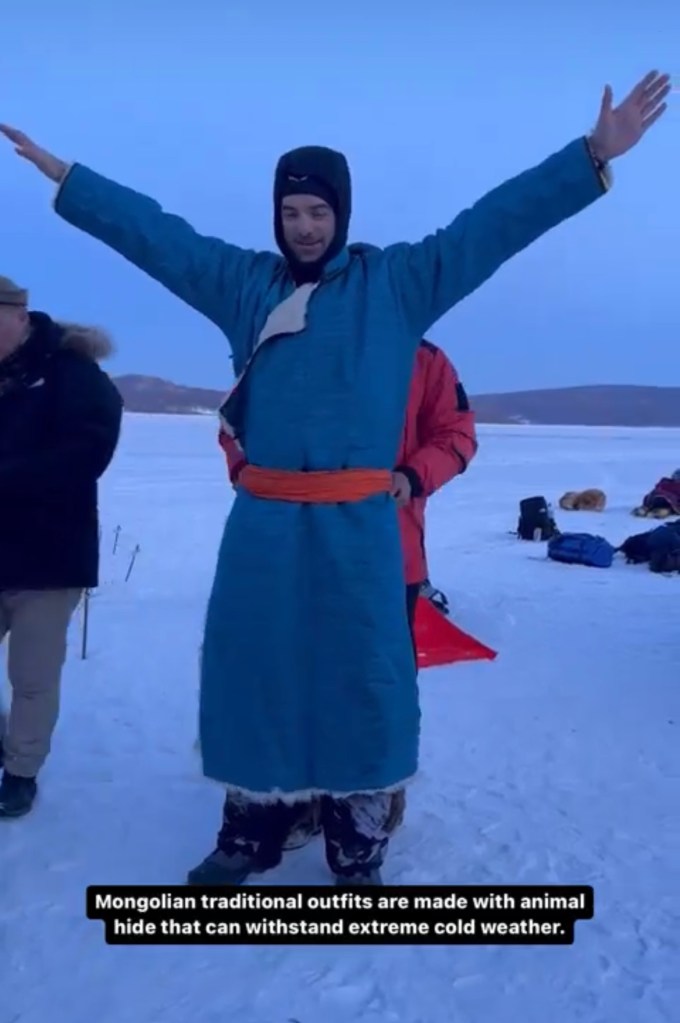
Our Mongolian hosts wore a mixture of what I would consider western clothing and traditional attire. I observed that during the coldest times of the day and during the night they wore a traditional Mongolian coat made of sheep’s wool. I also had a chance to try it on one evening. I felt it to be very warm but heavy. A cool feature was a sort of deep pocket in the crease of the coat once it was tied around the waist. This space is indeed used by Mongolian folks as a place to store their personal belongings (for example the tobacco tubes they offered for exchange during the New Year period). At all times of the day they were knee high boots, ones that looked like horse riding boots. Some mean and women as well wore knee high boots made of horse hide. They walked with us on the ice in these and seemed to have no issues with comfort or temperature. An interesting accessory the men wore on ceremonial occasions were fedora hats of various colors. For example, Baskar, our driver, wore a bright red hat. And it looked awesome! Children also wore traditional attire which consisted of colorful long coats, tiny boots and hats I don’t have any way to describe. They looked like real adults and were really cute as they ran around in those outfits.
The Mongolian language was very difficult for me to comprehend. It definitely sounds ancient and, in a way, primal to me. Somehow I could imagine this same language being used by the armies of Ghenghis Khan as they marched west on their horses with the goals to explore the world in the ancient times. The one difference, which I would imagine is a product of more modern times is that the alphabet is using Cyrillic letters, which made it fun to try to decipher what any of the text we saw could mean.
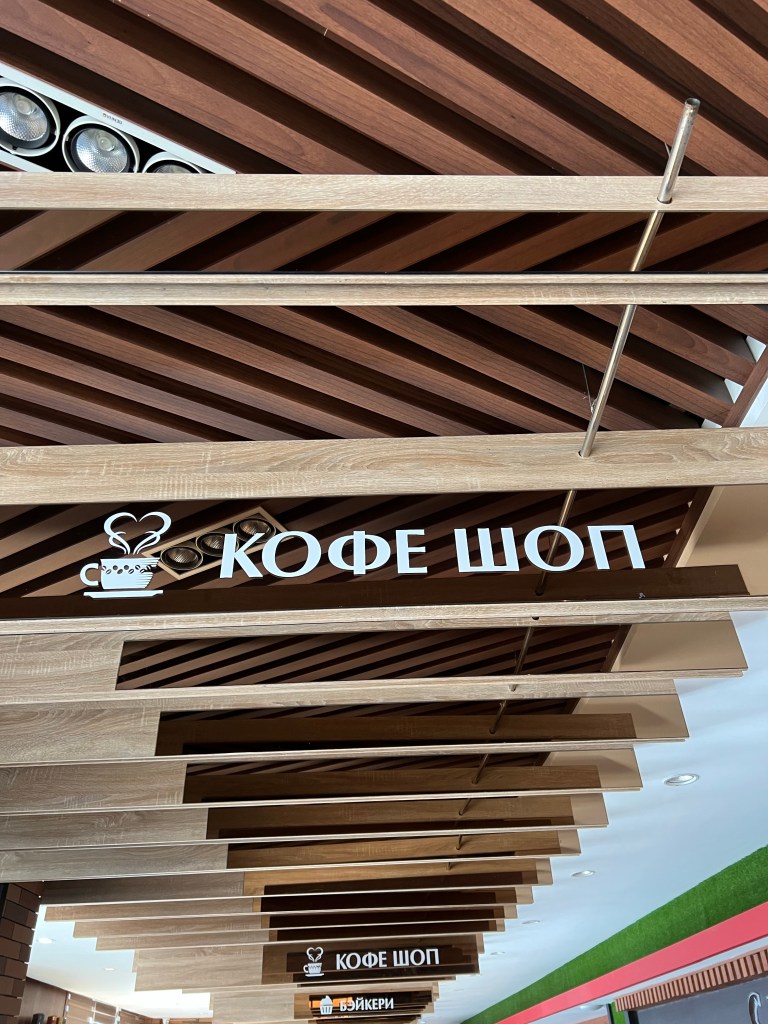
I did not make an attempt to learn any words (although I recall “thank you” sounding something like “bayalar”) but I did write down the names of our hosts, which was my way of capturing a few memories of those folks and also their mother tongue. The men whose names I captured were: Baskar, Erka, Muugii, Alex, Djordje and Gamba. Unfortunately I could only capture the name of one lady: Sovta.
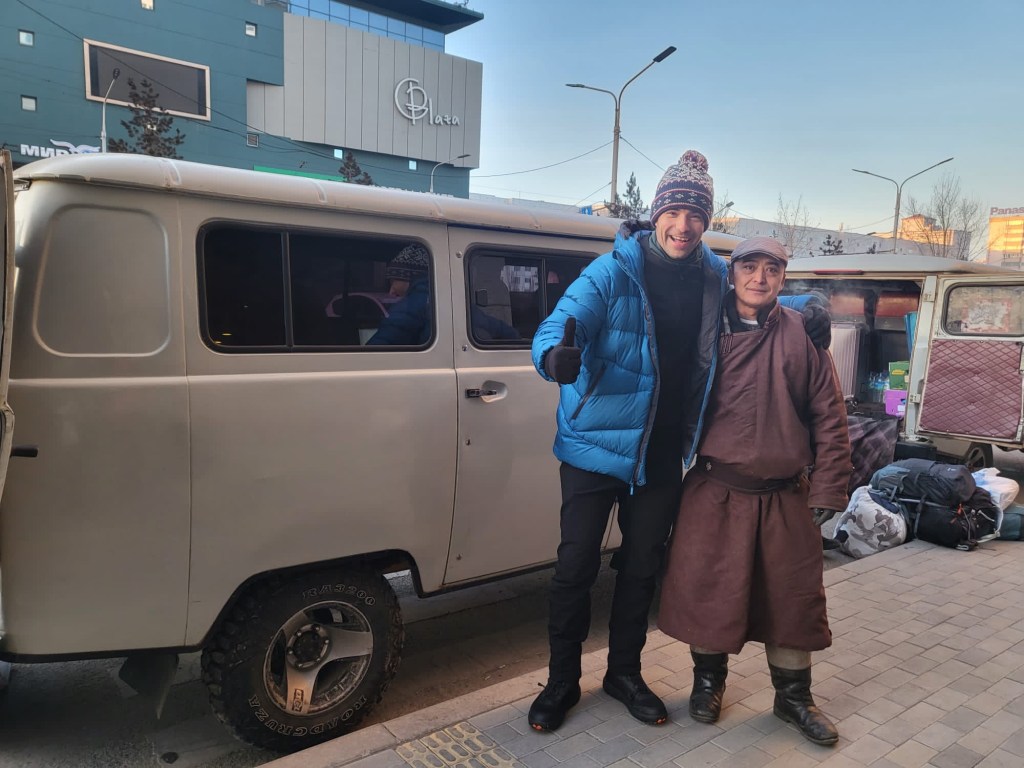

I believe the ancient Mongolian history is also at the root of, what I thought was a very diverse appearance of the people there. At times I felt it would have been difficult for me to guess which country I am in (especially in UB) purely by looking at people. Just by appearances, I felt the people on the streets could be from any other Asian city.
I mentioned earlier that we had a few opportunities to interact with children. Such interaction usually meant wrestling, taking selfies together, giving them some small gifts or just chasing them around buildings. They all seemed very happy and careless, smiling a lot every time we approached them. In contrast to some adults, they did not seem shy and showed a genuine interest in approaching us and communicating with us. To my surprise, many of the children spoke some English, and they seemed quite eager to come over and practice their knowledge. It was really cute to hear little girls come up, straighten their upper bodies and introducing themselves in English: “Hello, my name is … “. Whilst the percentage of English speakers in the adult population we interacted with was low, I noted that the percentage of children speaking some level of the language was high. I assume this is a result of deliberate action by their parents and possibly the government of Mongolia to make foreign language education available in schools.
Perhaps due to their limited communication options with us, adults seemed to be somewhat reluctant to engage with us above the basic courtesies or supporting us on our journey. This applies even to our drivers and guides. I felt like they kept a certain distance from us and took the first opportunity to retire to their own accommodations evening. I was a bit disappointed in this as I would have liked to interact more, but of course this is something we all accepted and respected during our entire stay in the country.
Author’s note on chapter 5:
I wrote the first part of this chapter on 6/3/2023, a Monday, our F5 Wellness Day. I was sipping an ice americano Dimbullah Marina Bay, having just ducked in there after getting caught by a sudden rain on my walk. Across the room from me sat a beautiful lady, seemingly caught up in a passionate business discussion with an acquaintance over a cup of hot coffee.
I continued working on this chapter on 7/3/2023, sitting on the void deck of my condo complex. It was about 8 pm and I was bathed in a beautiful sunset and pampered by a soothing breeze which made my writing experience highly pleasurable.
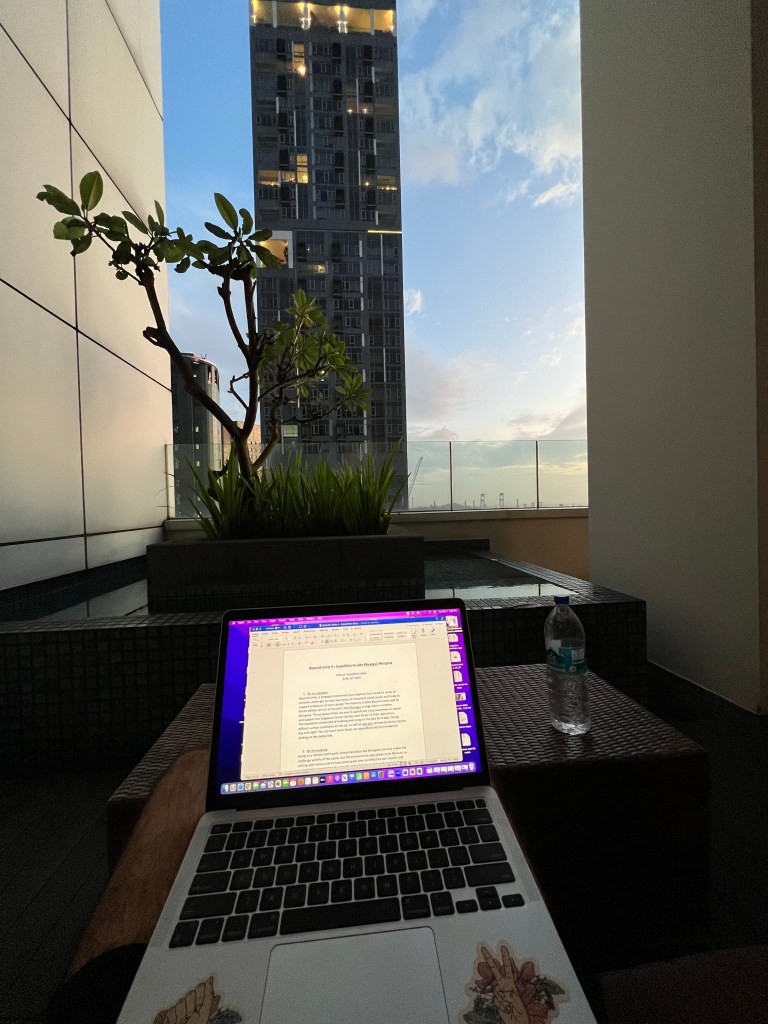
I followed up with another day of writing on the void deck on 8/3/2023, enjoying the same beautiful evening as the day prior.
At about this point in my writing I started to realize that there is a lot I have to share about this trip. I am nowhere near being done with my entire journal and feel like I can just go on and on. I never realized writing a travel diary can be this much fun (and so tiring!). I would also say that as I write every sentence here, I feel like I am back in Mongolia, back in the particular situation I am describing, which gives me extra pleasure and an opportunity to relive every moment of the trip and really appreciate everything we experienced.
It was great to take a break from writing. Today is 11/3, mid afternoon on a Saturday. I just completed this chapter at my regular Starbucks, sipping a decaf americano. Never expected this one chapter alone to result in so much to share. But so many memories keep coming to me about the country, the people and our experiences.
I should also mention that as I was writing the closing words at the coffee shop I felt a knock on my shoulder. As I looked up I saw my dear friend Karthika stand next to me with the smile that has given me many happy moments ever since I met her in bootcamp during COVID. It is amazing to have her as a friend and neighbor.
Stay tuned for part 3 of my diary coming soon, describing my experiences being a vegan in Mongolia and an account of the long list of unique experiences that left me with a lasting impression…
 Andras’ personal page
Leave a comment